
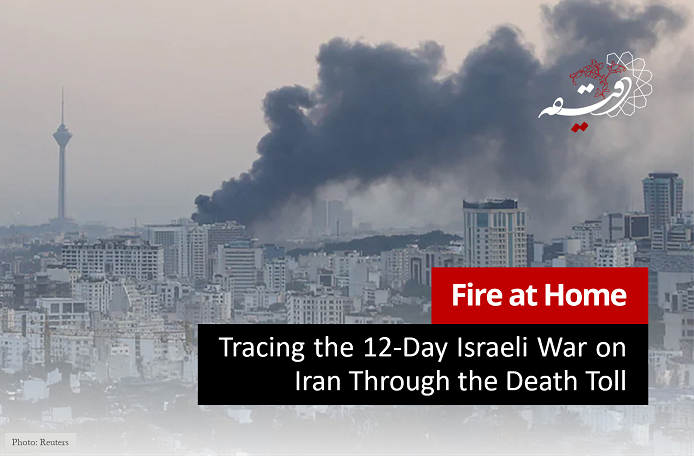
At dawn on June 12, 2025, war ceased to be a distant event belonging to others and became an immediate, inescapable reality for many of us. Some awoke to the sound of explosions shattering their lives; others hastily packed their lives into a suitcase and fled to the homes of relatives or friends, unsure when they might return. Some watched their houses collapse into rubble; some lost loved ones beneath the ruins or on distant battlefields; and some were themselves wounded, their fragile lives unable to withstand the force of the blast.
At first, many assumed it was merely another terrorist attack—one of those targeted operations Israel had carried out on Iranian soil before, sudden explosions that had sadly become far from unprecedented in recent years. But what unfolded at dawn on June 12, 2025, marked the beginning of a complex and grueling war—one that, in several ways, echoed the longest conventional conflict of the past century, the Iran–Iraq War. According to Iran’s later-released official statistics, the 12-day conflict claimed the lives of at least 1,062 of our compatriots.[1]
This article, drawing on information published by various news agencies, focuses on the shifts in casualty figures throughout the war, revisiting and analyzing the events of those twelve days. Examining the progression of the conflict through this data not only provides a clearer picture of what transpired but also raises critical questions for the future.
Collecting data on the death toll of the 12-day war from news reports
Gathering data on human casualties during and after a war is never an easy task. In the midst of a crisis—and often for a long time afterward—comprehensive and detailed statistics on the fallen are rarely made available in an official or accurate form. Following the end of the recent 12-day war, official bodies in Iran, including the Ministry of Health and Medical Education[2] and the Foundation of Martyrs and Veterans Affairs[3], released only general figures on the number of the civilian casualties. However, the detailed data behind these figures have yet to be published in an integrated or accessible format.
In such circumstances, the only option is to conduct a thorough and systematic review of news reports to compile information about Iran’s victims of the conflict. Most published news regarding those killed in the war has focused on their funeral and burial ceremonies. Therefore, linking the reports on every fatality to specific Israeli attacks required examining the details of each news item with great care[4].
The data collection process began on June 24, 2025, by reviewing a wide range of information published in news agencies and on social media platforms, and it continued until the final weeks of September. This article is based on those collected data, which have been compiled into a dataset now available through the following link for use by other researchers and journalists:
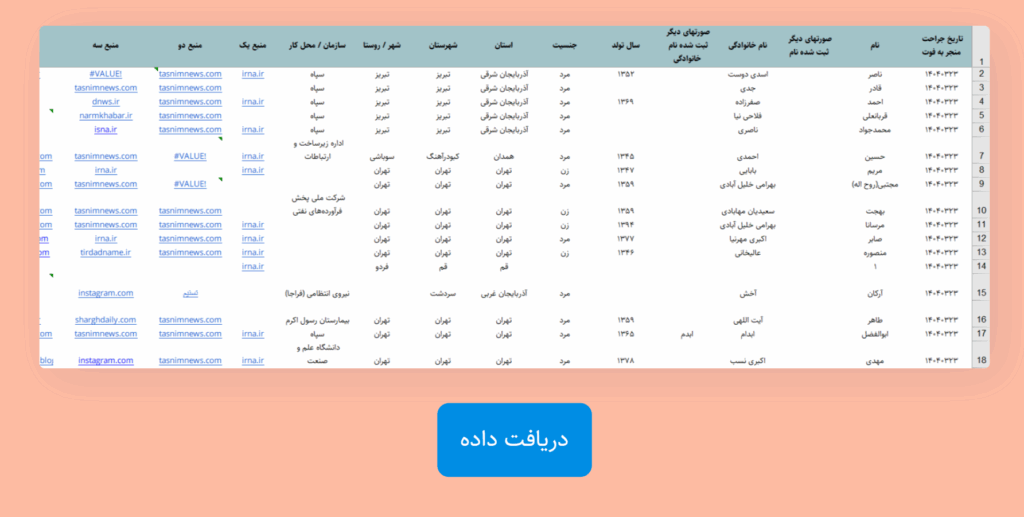
Casualties of the Israel-Iran war
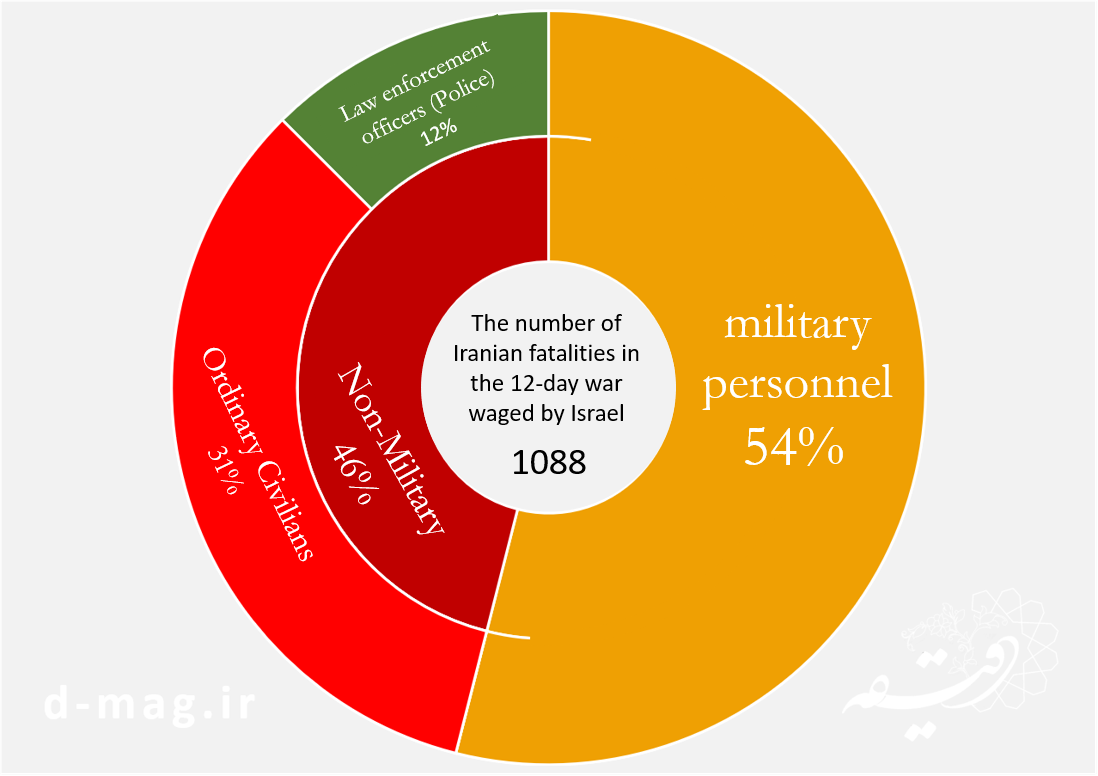
Based on the complied data from news agencies, 1,088 people lost their lives to Israel’s attacks on Iran between June 12 and June 24, 2025. Among the victims, 54% (at least 560 people) were military personnel from Army, IRGC, and Basij, while 46% were non-military. The latter included law enforcement officers (Police/FARAJA) who comprised 15% (at least 153 people), and ordinary civilians, who accounted for 31% (at least 327 people).
Beyond the number of the deceased, the geographical scope of Israel’s attacks on Iran is also striking. Out of Iran’s 31 provinces, 25 were targeted during the 12-day war, and 18 of them suffered casualties. Among them, Tehran—the capital and the country’s most populous city—bore the greatest share of destruction and loss, carrying much of the war’s burden. Fifty-seven percent of the martyrs (at least 592 people) were killed in Tehran, more than two-thirds of whom were non-military: civilians and law enforcement officers.
Why Iran’s capital—and not any other city or province—became Israel’s main target in this war remains an open question, one whose answer could help uncover some of the conflict’s hidden dimensions.
Background of the War
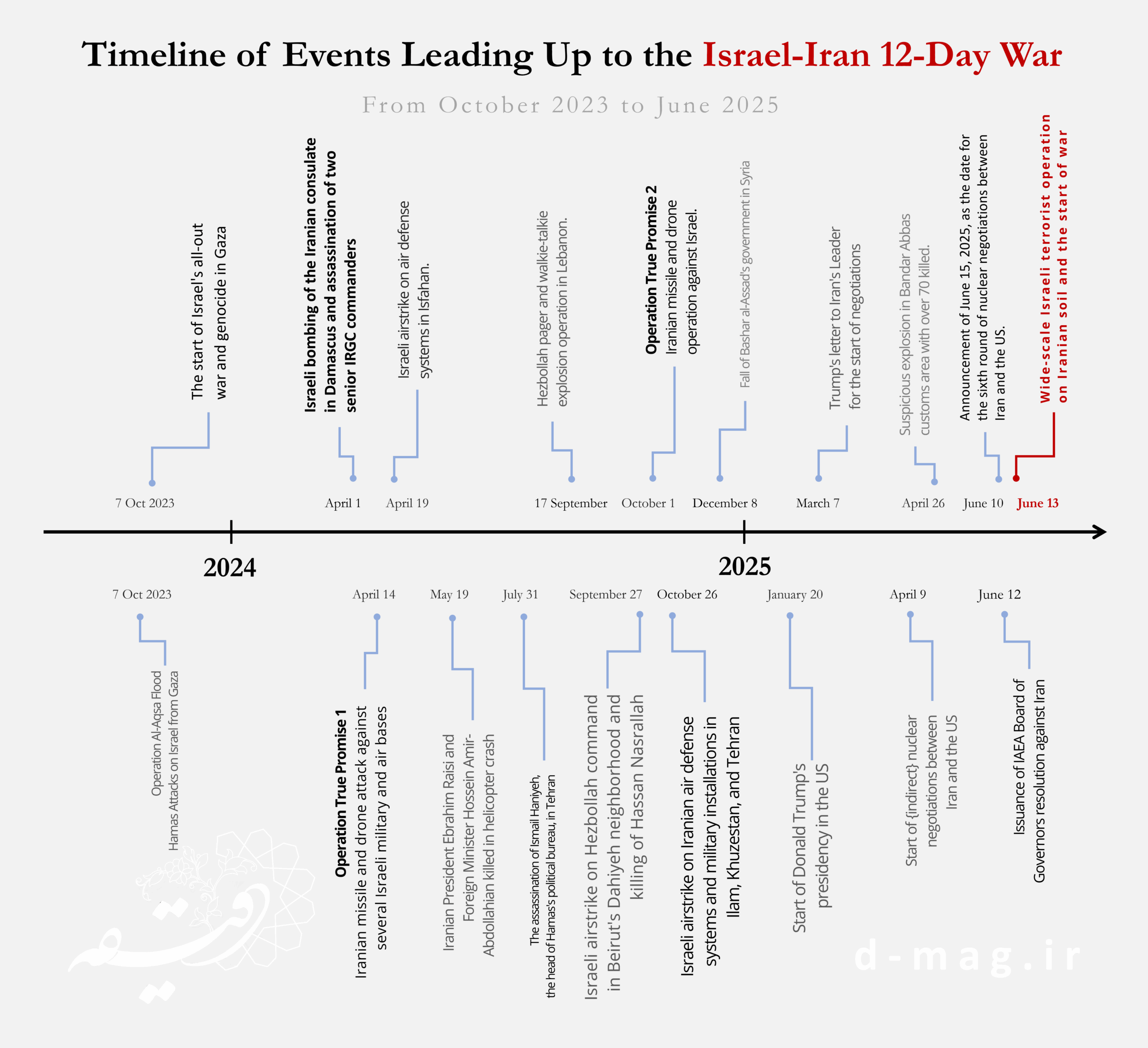
In previous years, the confrontation between Israel and Iran had never been as direct as it is today.Israel conducted acts of sabotage and targeted assassinations inside Iran, while Iran responded indirectly through its allied groups. However, following Israel’s all-out atrocities in Gaza and the subsequent escalation of regional tensions after October 2023 (Mehr 1402), this long-standing shadow conflict ultimately erupted into a direct war between Israel and Iran in June and July 2025 (Khordad and Tir 1404). (For more on Israel’s genocide in Palestine, see the page “Palestine Documentary Films.”)
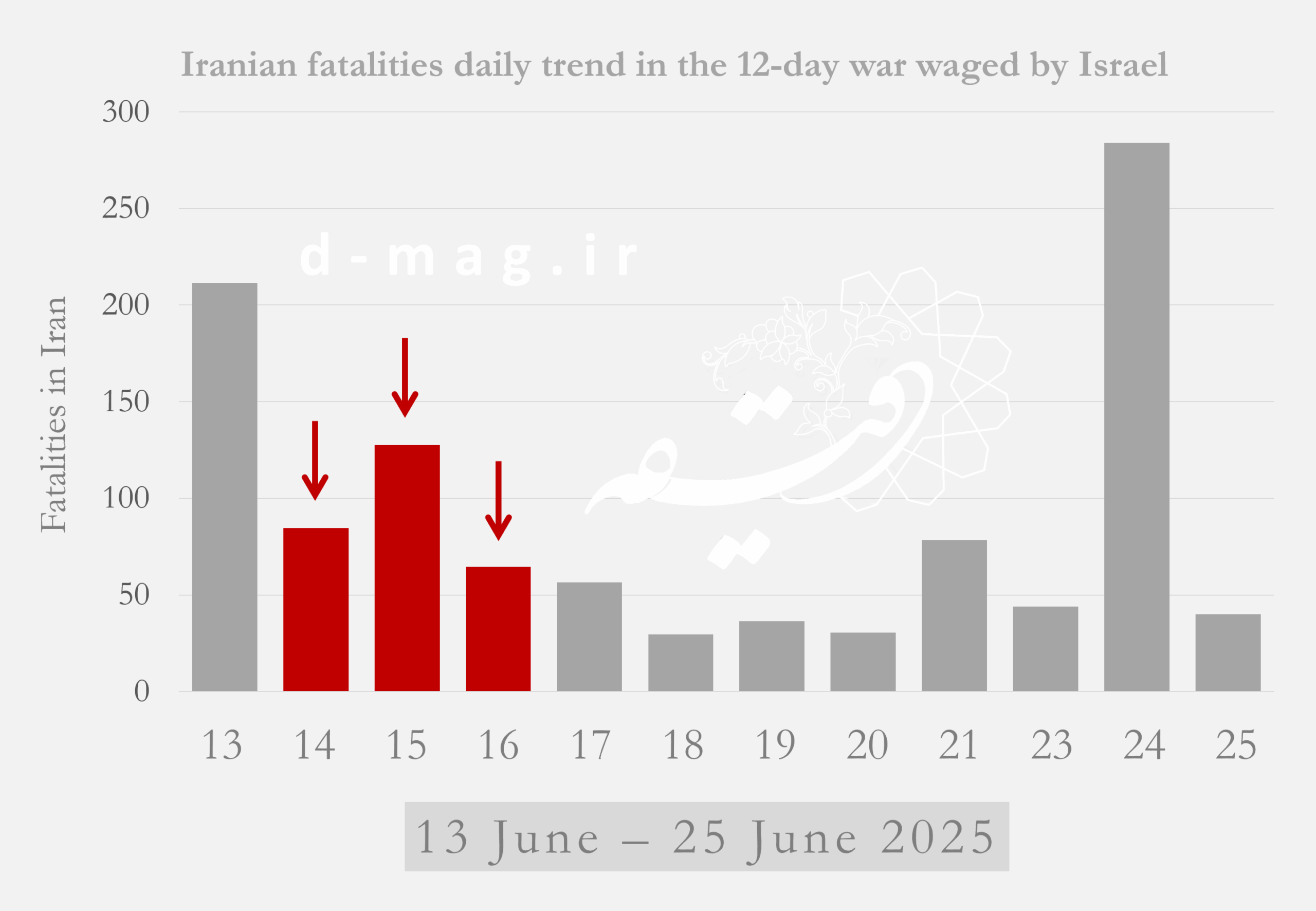
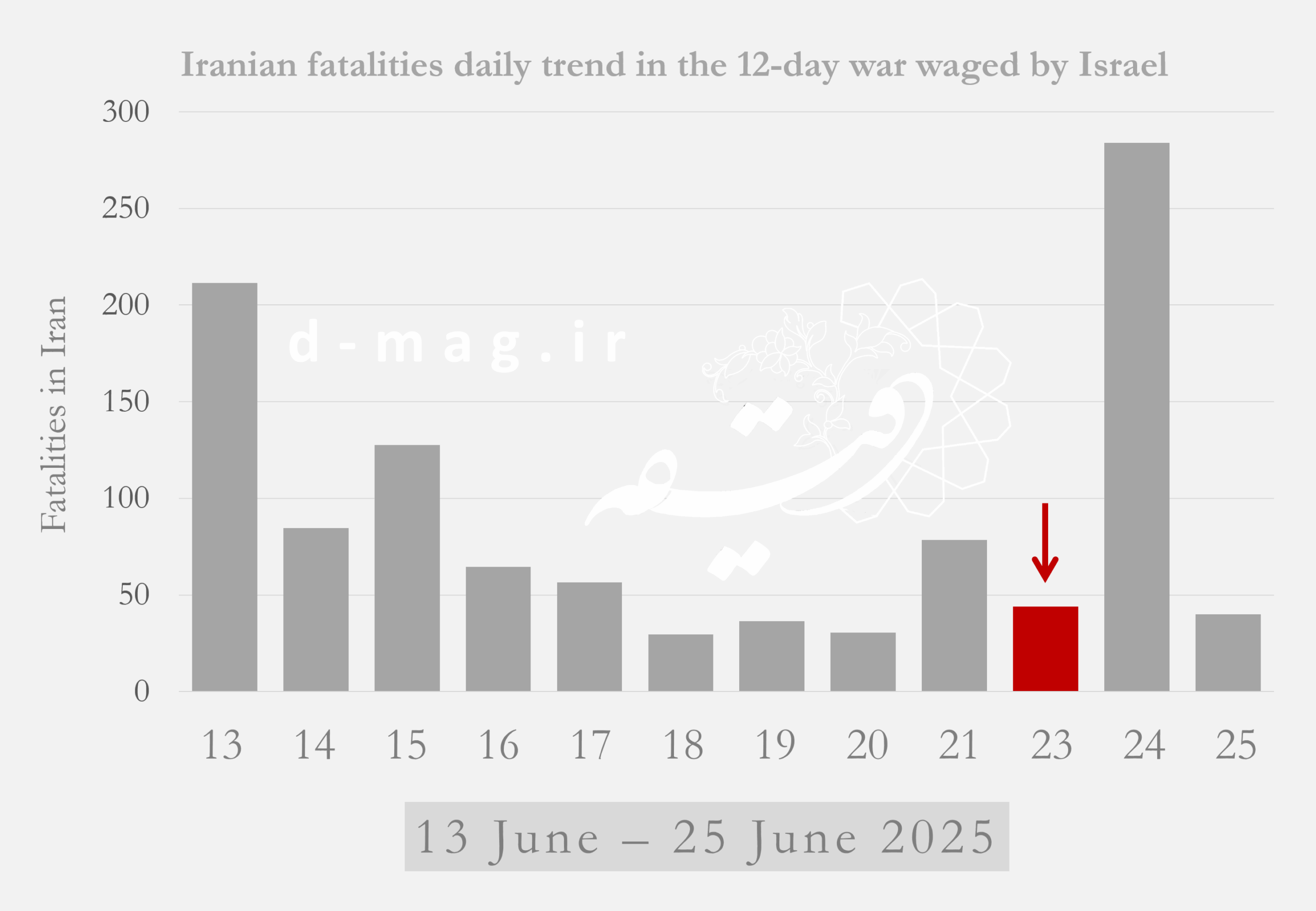
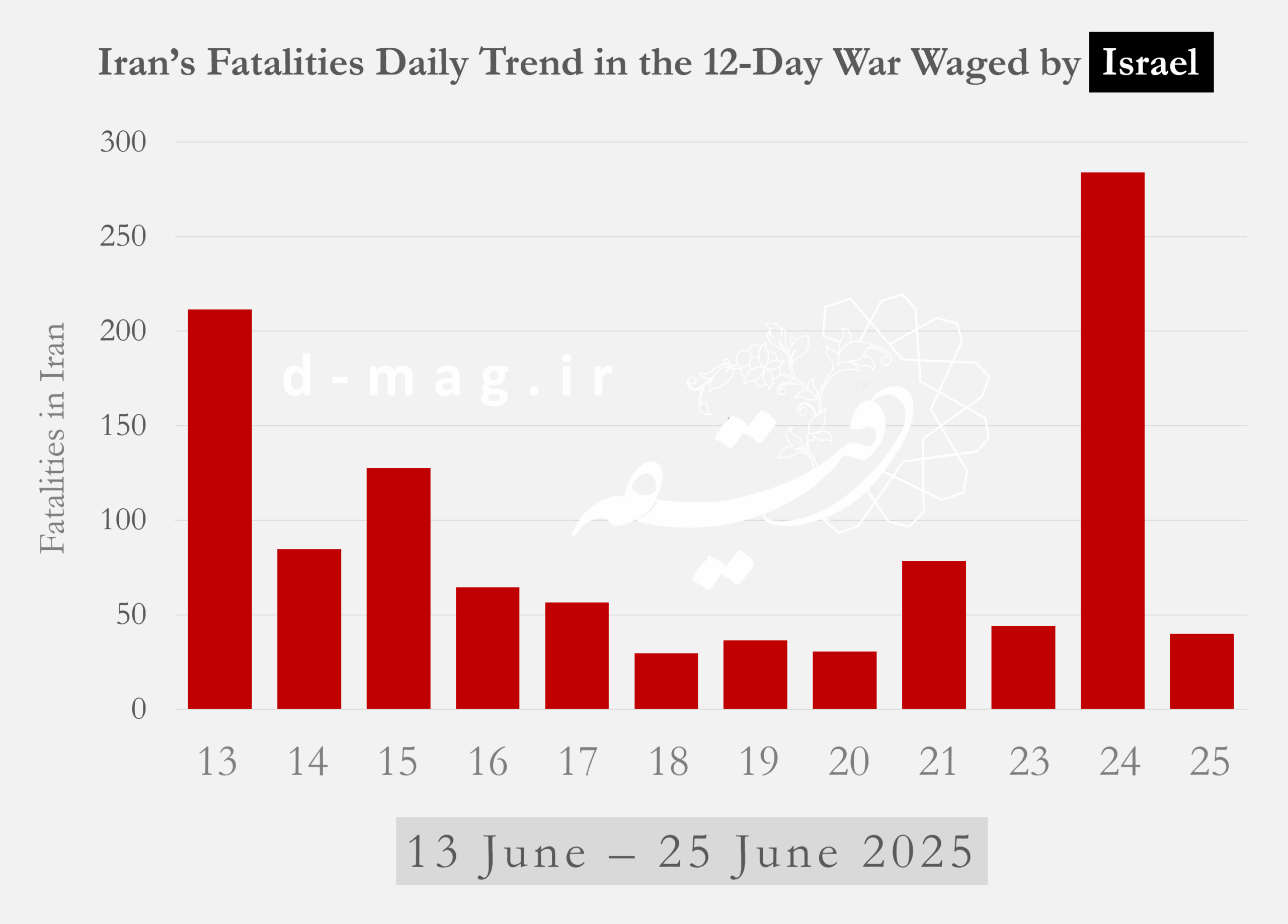
An examination of the daily casualty statistics shows that the deadliest days were the first day of the war and the day before the ceasefire—each marked by an element of surprise compared to the intervening days. Notably, on both of these days, the proportion of civilian deaths was higher than on any other day of the conflict.
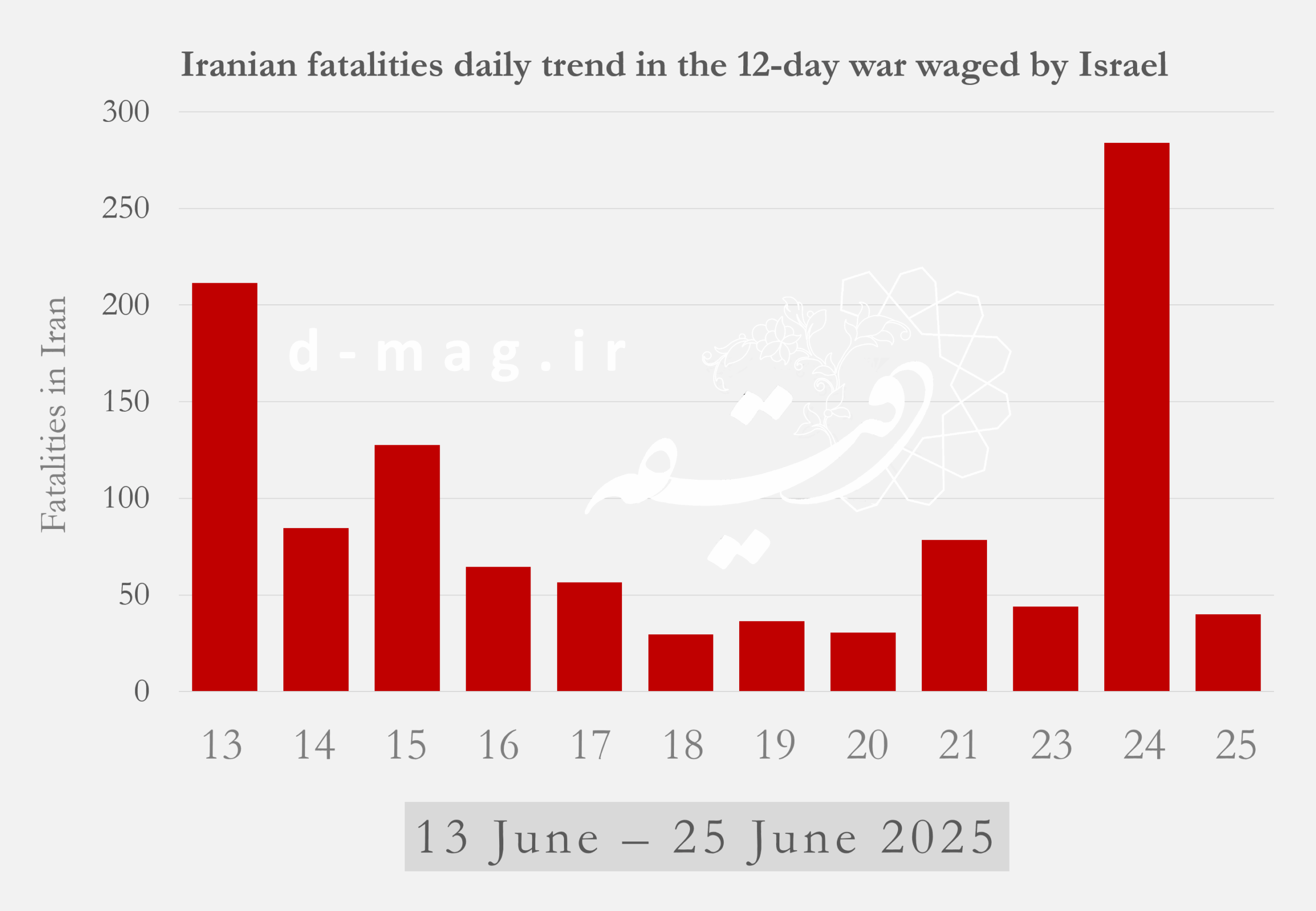
The number of the dead fluctuated sharply from day to day. To grasp the unfolding of those twelve days, it is essential to retrace the sequence of events. The daily casualty data reveal —more clearly than any other measure— the enemy’s objectives and the shifting intensity of the war.
Chronology of the 12-Day War Between Israel and Iran: Reviewing the Course of Events
Many were caught off guard by Israel’s massive terrorist assault, though given the tense history of relations, war was by no means an improbable outcome.
The Dawn Raid of Assassinations on the First Day (June 12, 2025)
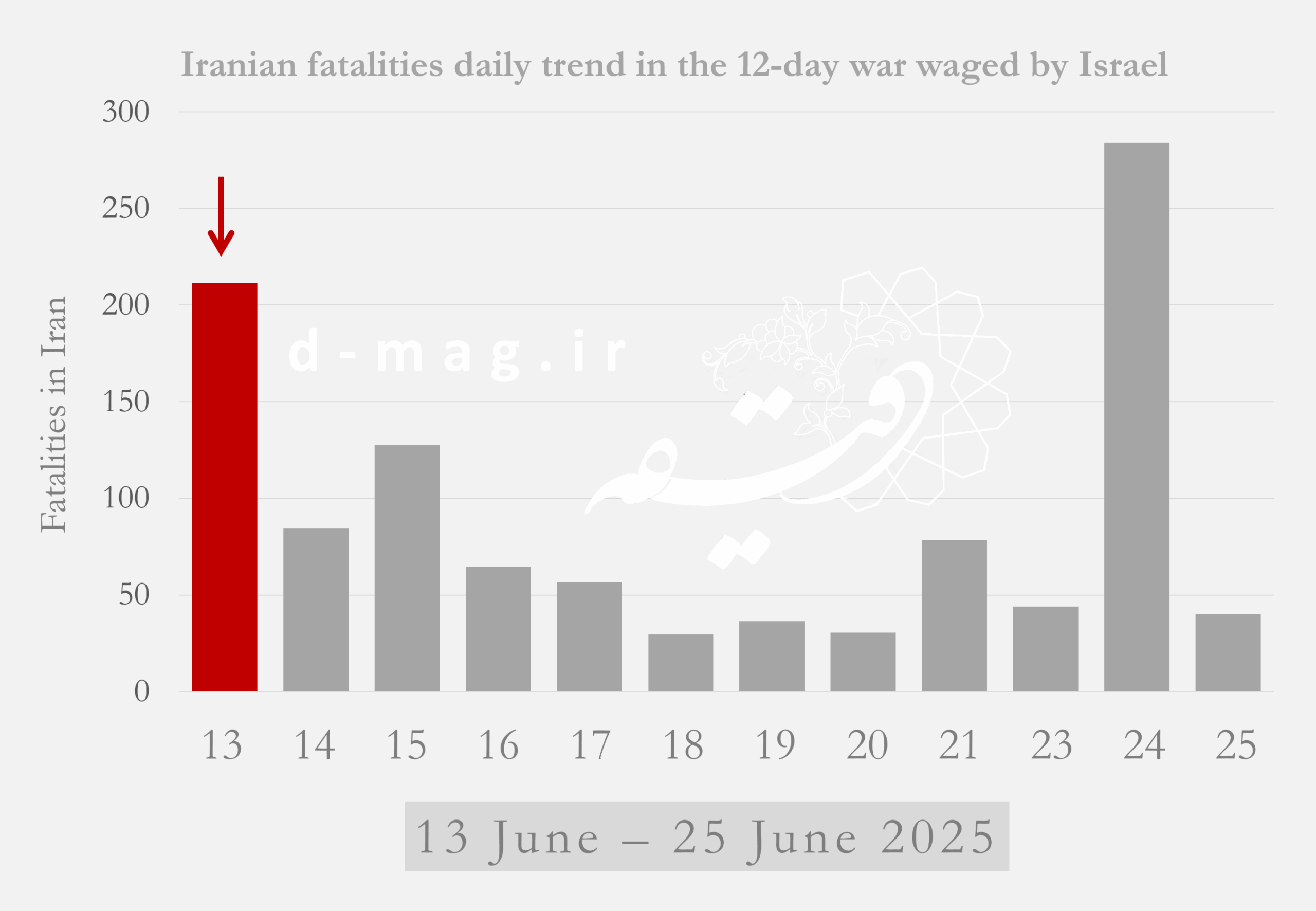
At dawn on Friday, June 12, 2025, many Iranians awoke to the sound of explosions, reviving collective memories of the Iran–Iraq War forty years earlier. Numerous neighborhoods and districts in Tehran—particularly in the north, northeast, and west—were jolted to the core as Israeli attacks struck in the early hours.
The scope of Israel’s strikes on Tehran extended beyond residential areas to key military installations, including the General Staff of the Armed Forces, the IRGC Aerospace Command Center, and the Parchin complex.
As daylight spread, images of destruction began circulating widely on social media. It soon became clear that Tehran was not the only target: at least 14 other provinces had also come under attack. In addition to the capital, several western, northwestern, and central provinces—including East Azerbaijan, Lorestan, Kermanshah, Qom, and Alborz—witnessed Israeli aggression within the very first hours of the war.
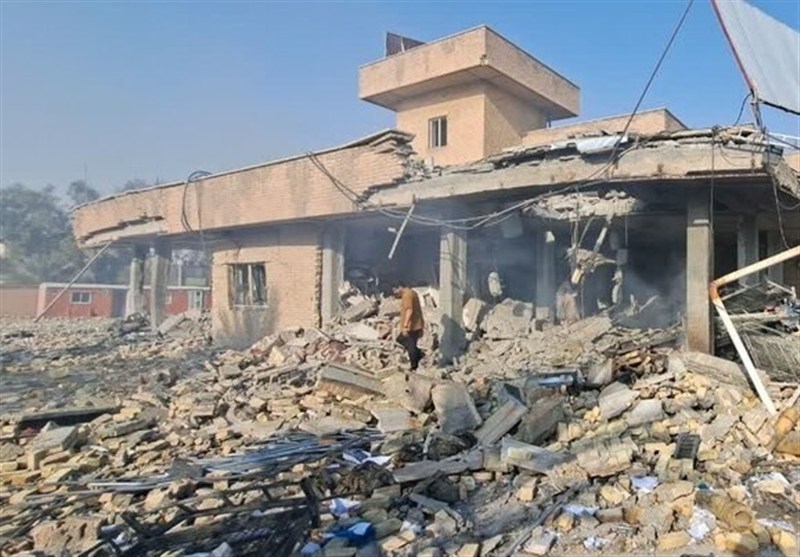
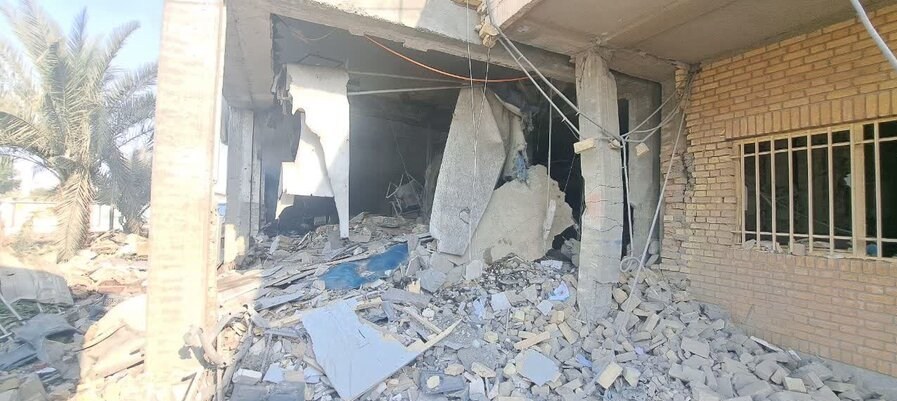
In addition to warplanes launching air-to-surface missiles from the skies of neighboring countries, Israel also carried out sabotage operations inside Iran. Israeli agents attempted to disable Iran’s missile and air defense systems through combat drones and targeted terrorist attacks.
From the range of areas and facilities struck in the opening attacks, Israel’s objectives can be broadly categorized as follows:
• Assassinating nuclear scientists and specialists
• Assassinating senior military commanders
• Assassinating senior political officials
• Damaging and disabling missile, drone, and aerial capabilities
• Damaging and disabling radar and air defense systems
• Damaging and disabling nuclear-related facilities
The predawn attacks on Tehran on Friday focused heavily on senior military commanders and nuclear specialists, many of whom were at home with family and neighbors. Consequently, Israel’s missile strikes not only killed their intended targets but also claimed the lives of numerous civilians. The high proportion of civilian casualties (52%) on the first day underscores that Israel did not hesitate to strike residential areas in pursuit of its assassination objectives.
In other provinces, first-day strikes primarily targeted Iran’s nuclear, air defense, missile, and aerial infrastructure. Radar installations—including those in Tabriz, Hamedan, and Karaj—air bases in Tabriz and Hamedan, nuclear facilities in Fordow, Natanz, Isfahan, and Arak, and IRGC missile bases in the west and northwest all came under attack on the war’s first day.
Following limited skirmishes between Iran and Israel in November 2024 (Aban 1403), some assumed the predawn and morning attacks on June 12 would be confined to a similar scale, perhaps provoking Iranian retaliation in the days or months ahead. Instead, Israel escalated its campaign, continuing strikes across western and northwestern Iran with ambitions far beyond prior limited operations.
By nightfall, Iran’s air defenses were active in many regions, and around 9 p.m., the Iranian armed forces—having recovered from the initial shock—launched their first wave of missiles at the occupied territories and major cities such as Tel Aviv, despite ongoing Israeli bombardments. This cycle of attacks and counterattacks continued throughout the following days.
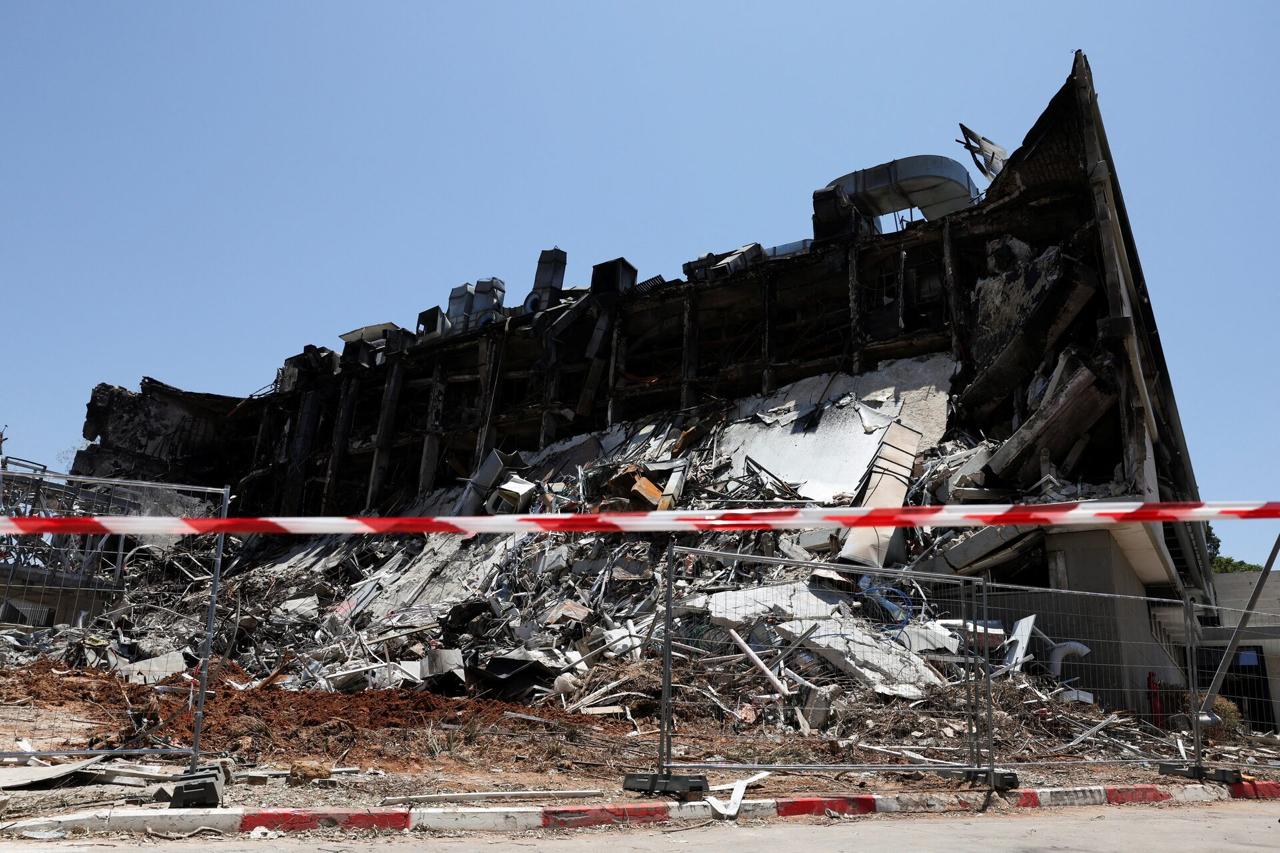
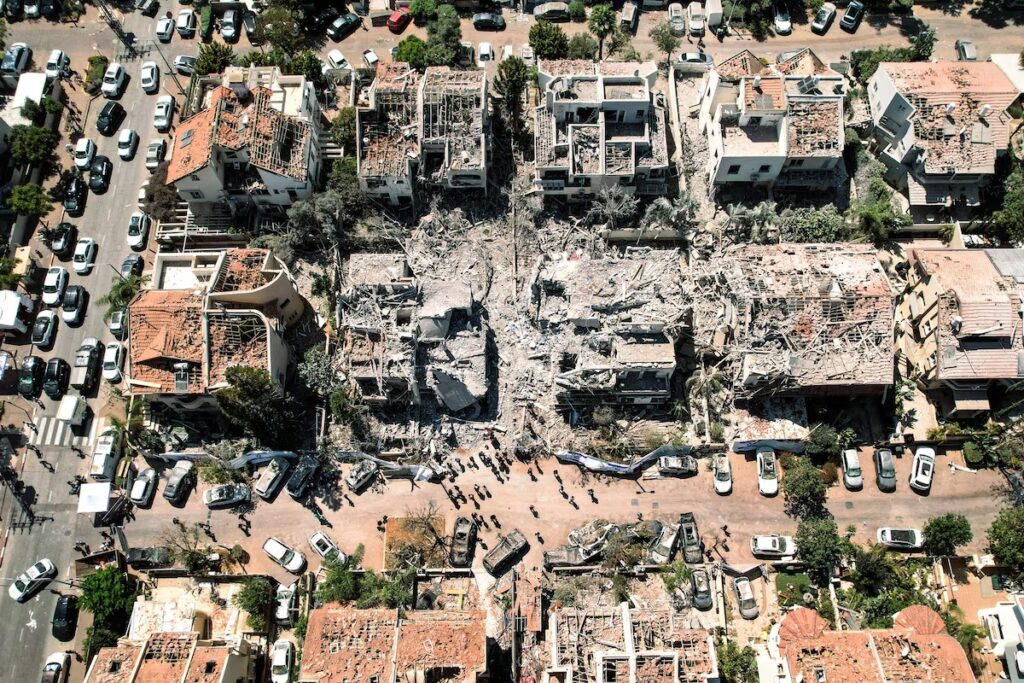
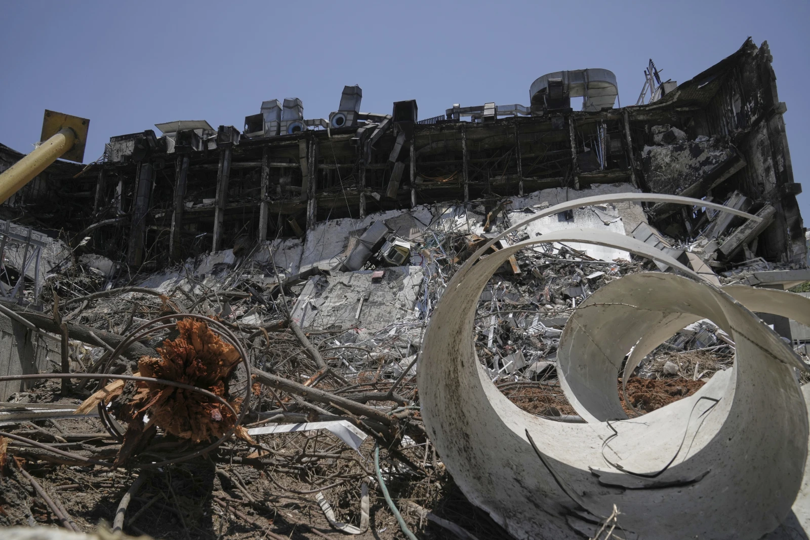
Is Targeting Iranian Military Commanders on the First Night of the War an Act of Terror?
Before June 12, 2025, Israel and Iran were not engaged in a direct or formal armed conflict. Under the Geneva Conventions (1949) and their Additional Protocols (1977)[5], the targeted killing of Iranian military commanders in their homes—alongside family members and neighbors—constitutes an act of terrorism and a clear violation of international law. No armed conflict between Israel and Iran was underway at the time, nor could these attacks be justified as self-defense, since Iran posed no imminent or specific threat to Israel.
In carrying out these strikes, Israel also violated several fundamental principles of the laws of war: distinction (the obligation to differentiate between military and civilian targets), proportionality (avoiding excessive harm to civilians and civilian infrastructure), and military necessity (limiting attacks to legitimate and necessary military objectives)—principles broadly recognized in the laws of war.
Moreover, Israel’s attacks can be seen as a grave breach of the prohibition on the use of force under Article 2(4) of the UN Charter[6], which obliges all UN member states to refrain from threatening or using force against the territorial integrity or political independence of other states.
The first-day attacks brought fear and uncertainty across Iran. The hum of drones and UAVs—reminiscent of those deployed in Gaza and southern Lebanon—filled the skies, while the city’s air defenses remained largely silent. Yet within less than 24 hours, Iran responded decisively: new commanders were appointed, citywide air defense systems were activated, and missiles were launched into Israeli territory.
Strikes on the Political Structure and Energy Infrastructure (June 13–15, 2025)
On Saturday morning, the Civil Aviation Organization announced that all flights in Iranian airspace would be suspended until further notice. These developments challenged early assumptions that the attacks were limited in scope, instead signaling the onset of a protracted war between Israel and Iran, with no clear end in sight.
Overcoming the initial shock reduced Iran’s daily casualties on Saturday through Monday (78, 121, and 56 killed, respectively), compared with 203 fatalities on the first day. Nevertheless, Israel continued to fuel mass killing and intimidation.
At 3 p.m. on Sunday, June 15, Israel struck Tajrish, a busy district in northern Tehran, with heavy missiles while civilians were commuting.
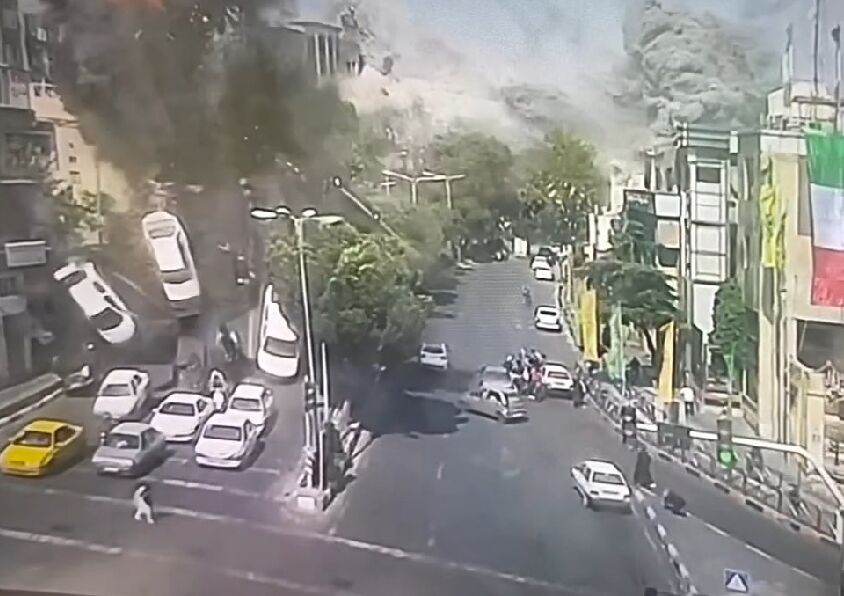

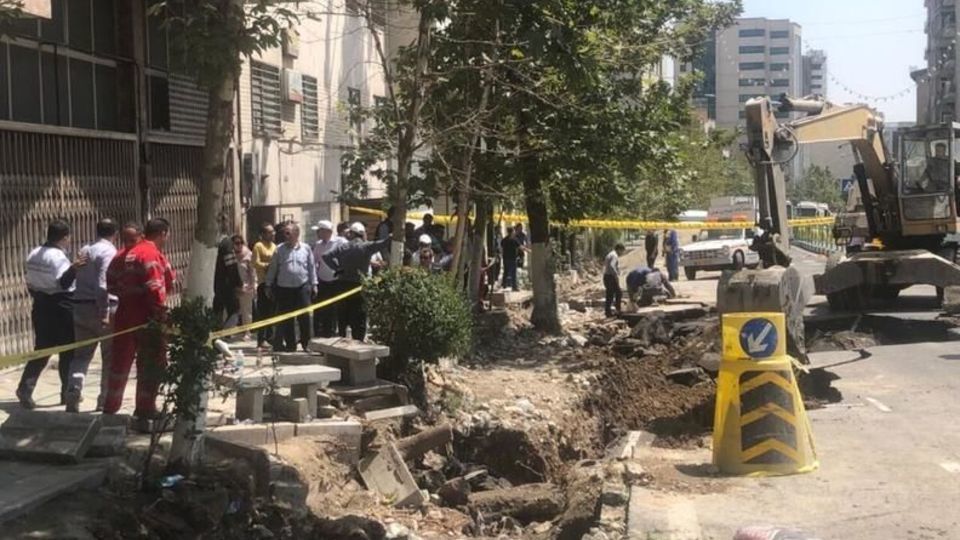
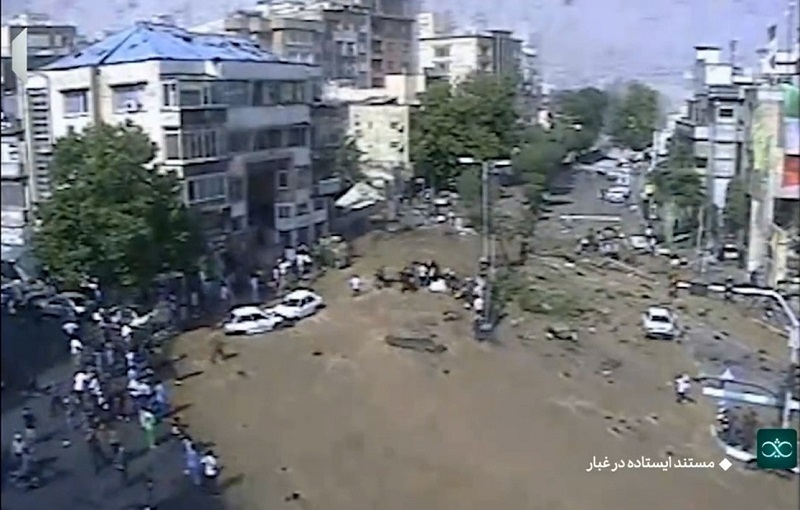
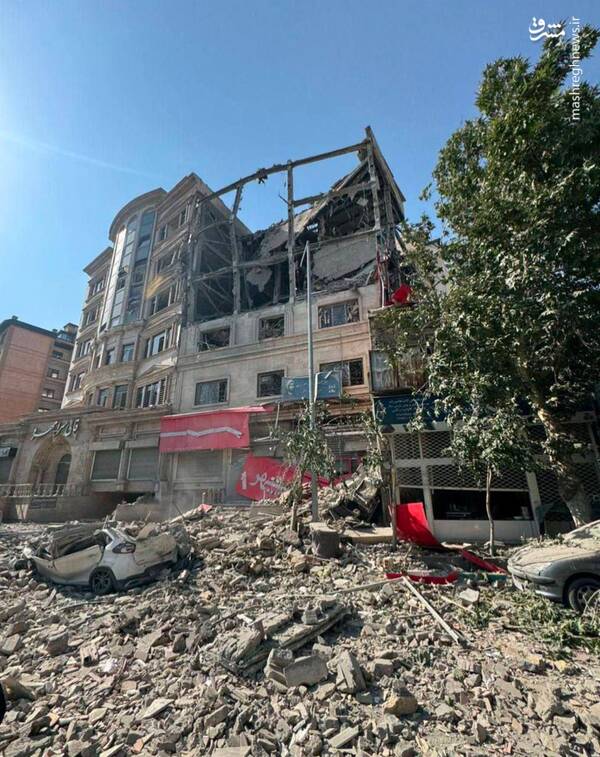
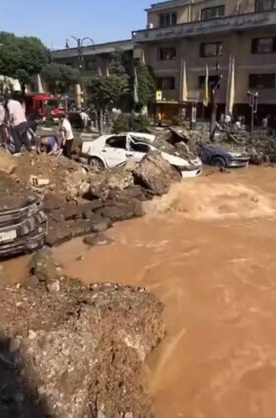
The precise objectives of Israel’s strike on Tajrish remain unclear, but it seems highly unlikely that hitting the main water pipeline was accidental. The attack likely served short-term goals, such as spreading fear and chaos—consistent with Israel’s broader strategy during the opening days of the war—and long-term objectives, including testing methods for targeting energy infrastructure in Iranian cities in preparation for potential future operations. (video).
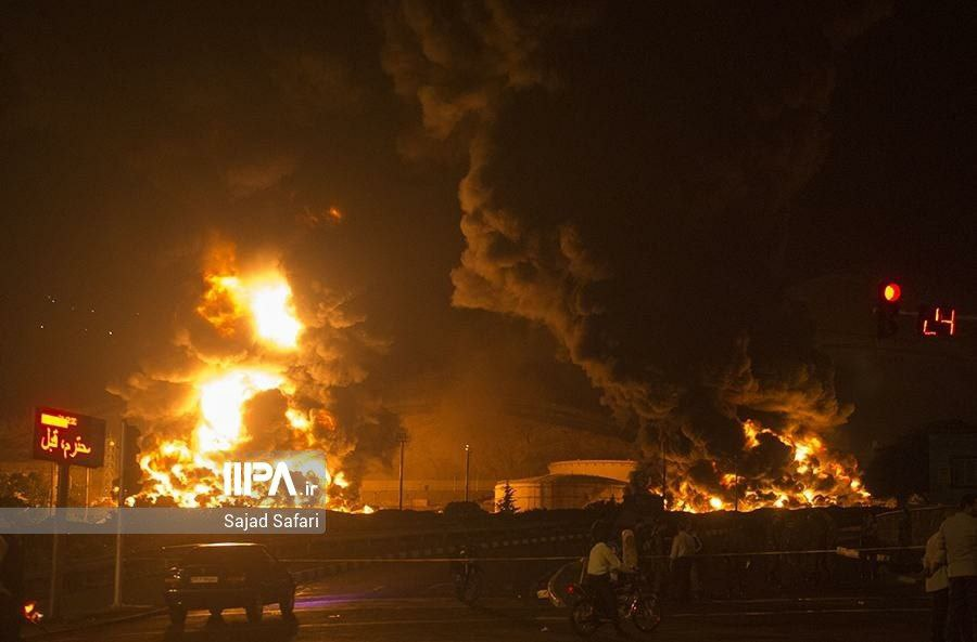
Another noticeable shift in Israel’s methods during the second to fourth days of the war was its effort to damage energy infrastructure and, more importantly, to target Iran’s political and security structure.
Among the key sites attacked were:
- Phase 14 of South Pars in Bushehr.
- The Shahran oil depot.
- The Shahr-e Rey refinery in Tehran.
- The Tehran Police Command headquarters (FATA).
- Several buildings of the Ministry of Intelligence and the IRGC Intelligence Organization in Tehran.
- The Ministry of Foreign Affairs building in Tehran.
- The Glass Building of IRIB in Tehran, an iconic example of modern architecture built in 1967.
- And, most importantly, the meeting of the Supreme National Security Council in western Tehran, attended by the president, heads of government branches, and senior military commanders.
These attacks marked the second phase of Israel’s offensive, revealing objectives that extended beyond neutralizing Iran’s nuclear and missile capabilities. Israel sought to strike at the heart of Iran’s political and security structures, potentially destabilizing governance and driving the country to the brink of collapse.
The attack on the Supreme National Security Council meeting failed, and news of it was not widely circulated at the time. However, the bombing of civilian centers such as the IRIB headquarters alone made clear that Israel’s war goals extended far beyond targeting and assassinating senior military and nuclear officials or destroying military facilities.
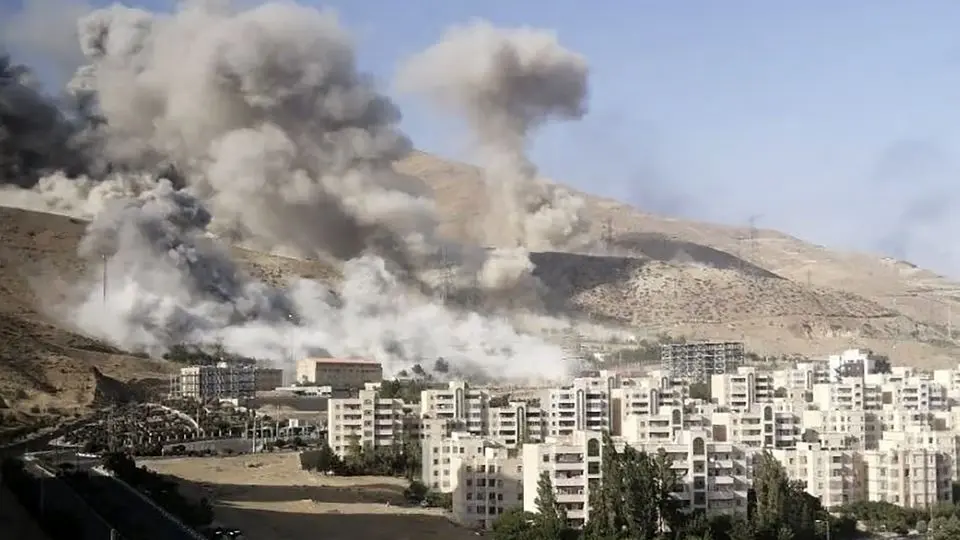
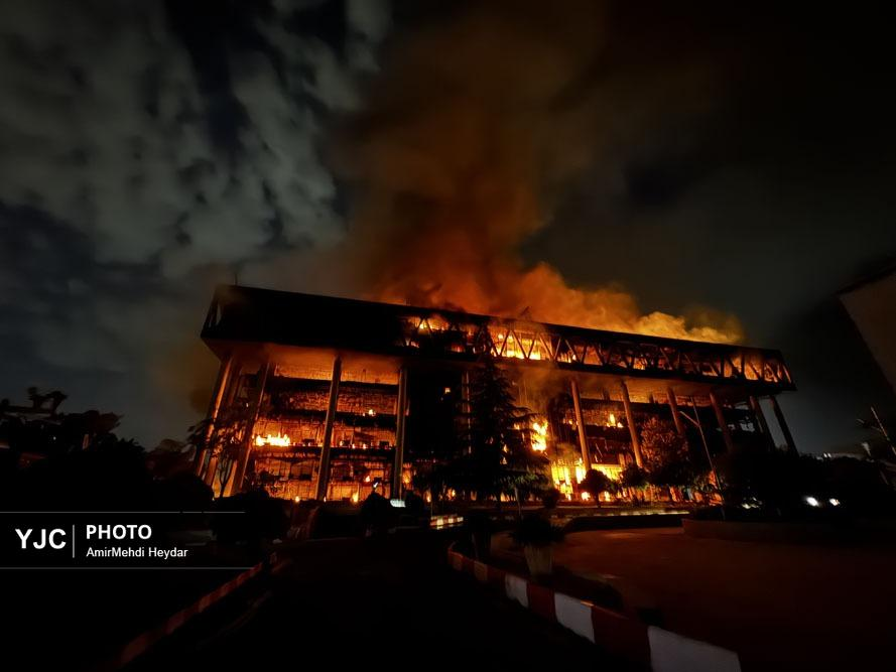
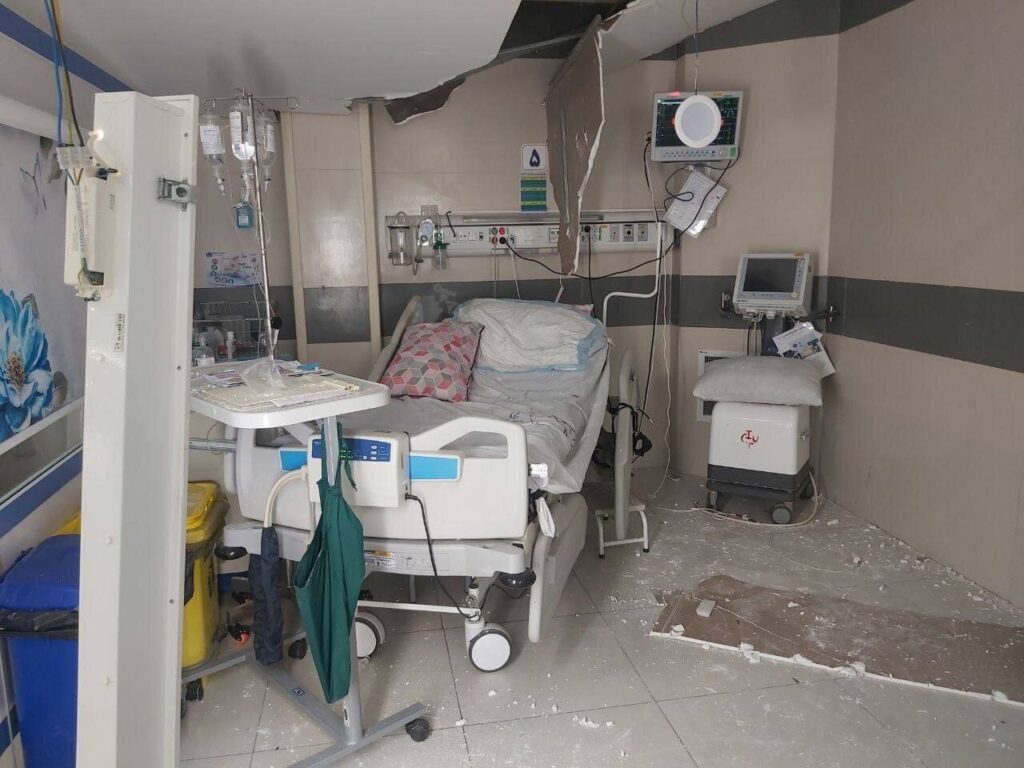
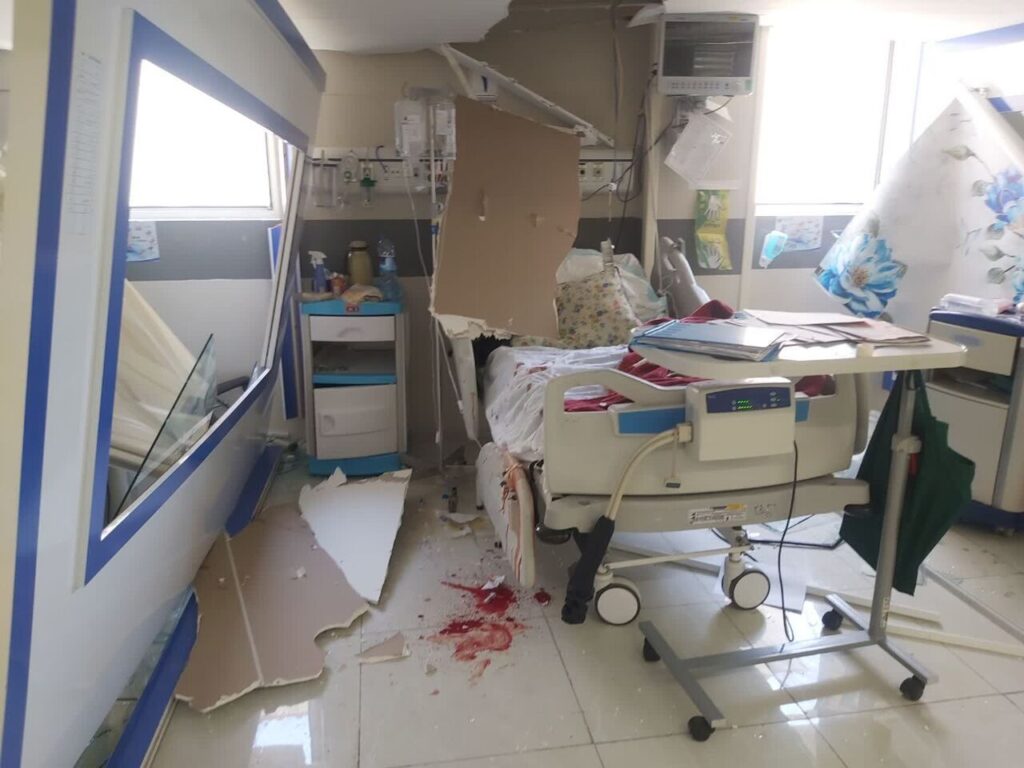
Given the rise in Iranian casualties on Saturday and Sunday (June 14–15) and Israel’s wide-ranging attacks aimed at crippling Iran’s missile systems —including the strike on the Supreme National Security Council meeting with the president in attendance— it appears that Israel’s initial plan was to plunge Iran into uncontrollable crises, chaos, and early defeat within the first few days. However, this strategy failed due to the lack of public support for Israel’s propaganda campaign, the unsuccessful strike on the president’s meeting, and Iran’s continued missile attacks on Israeli territory. In the following days, the course of the war began to change.
The Exhaustion of Israeli Attacks, Escalation of Psychological Operations and Cyber Strikes (June 16–20, 2025)
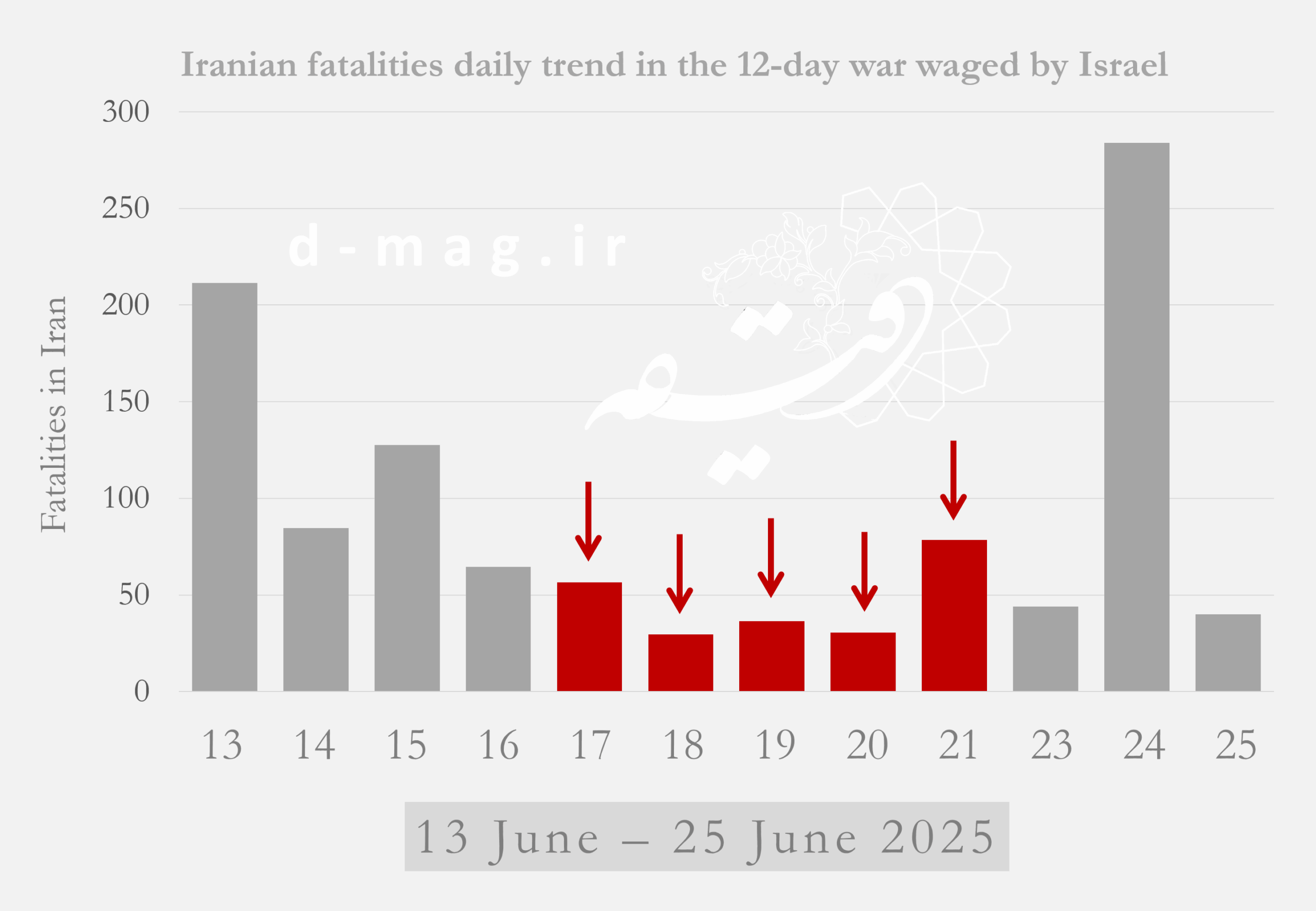
Tuesday through Saturday (June 16–20) were relatively calmer compared to earlier days. Many residents had left Tehran, and the capital experienced quiet, almost empty days, though its nights remained punctuated by the sounds and flashes of air defense operations. During this period, Israel’s war against Iran shifted in both form and method.
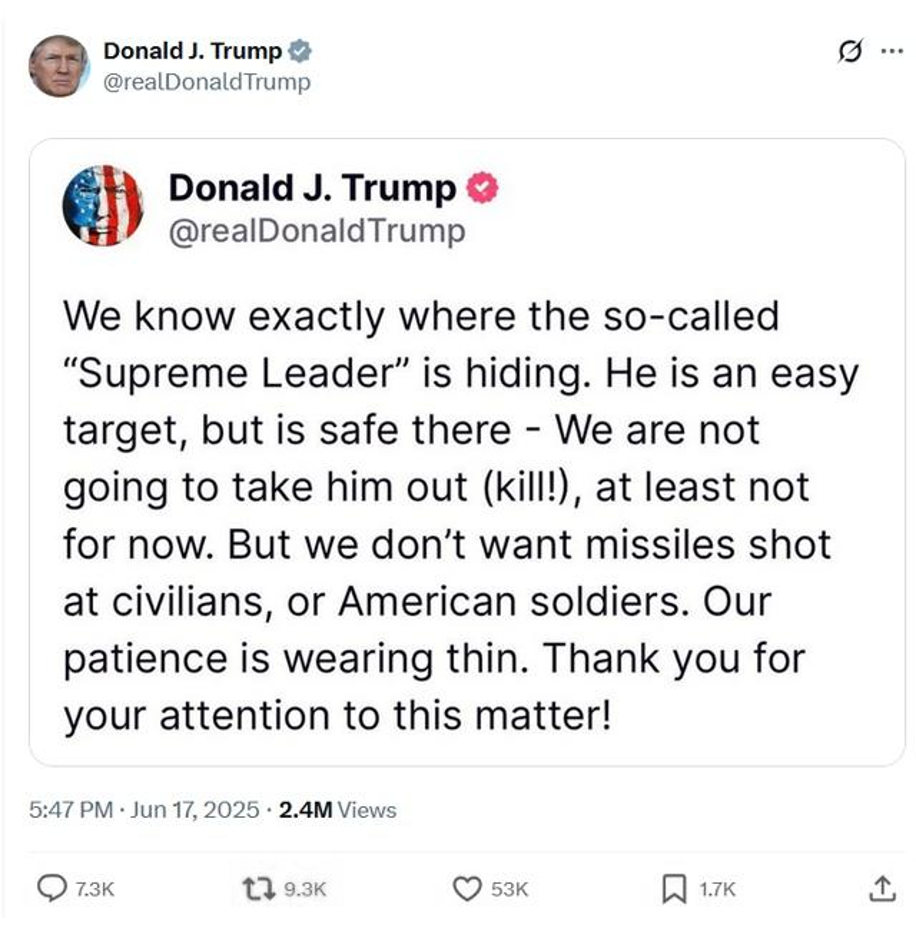
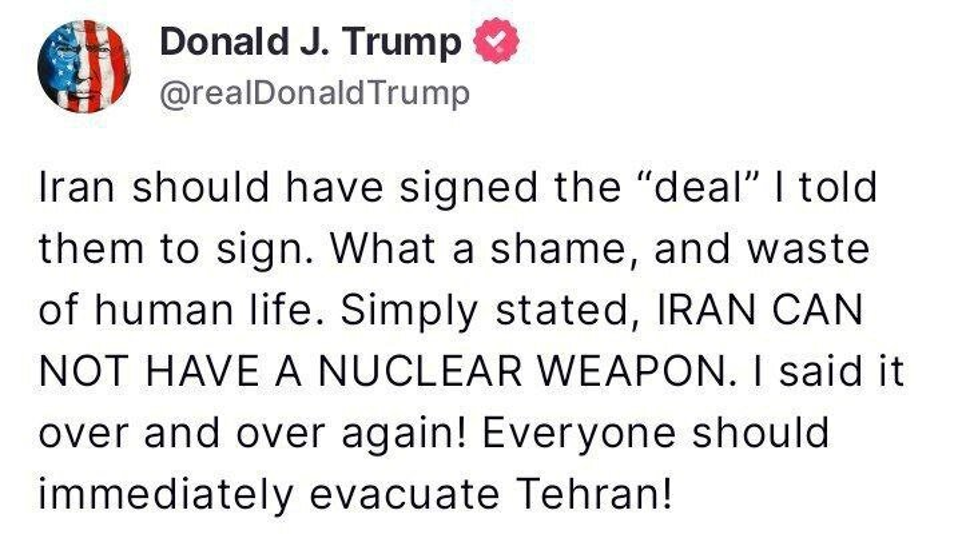
Unprecedented cyberattacks targeted Iranian financial infrastructure, including Bank Sepah and Bank Pasargad, and one hundred million dollars were stolen from the Nobitex cryptocurrency exchange. Meanwhile, Donald Trump, the President of the United States, who had been engaged in nuclear negotiations with Iran just days earlier, launched a social media campaign threatening Iran. His unprecedented statements about “unconditional surrender” and the “immediate evacuation of Tehran” sought to influence the psychological landscape of the war in Israel’s favor, effectively acting as a participant in the conflict’s information and psychological operations.

Direct U.S. Entry into the War (June 21, 2025)
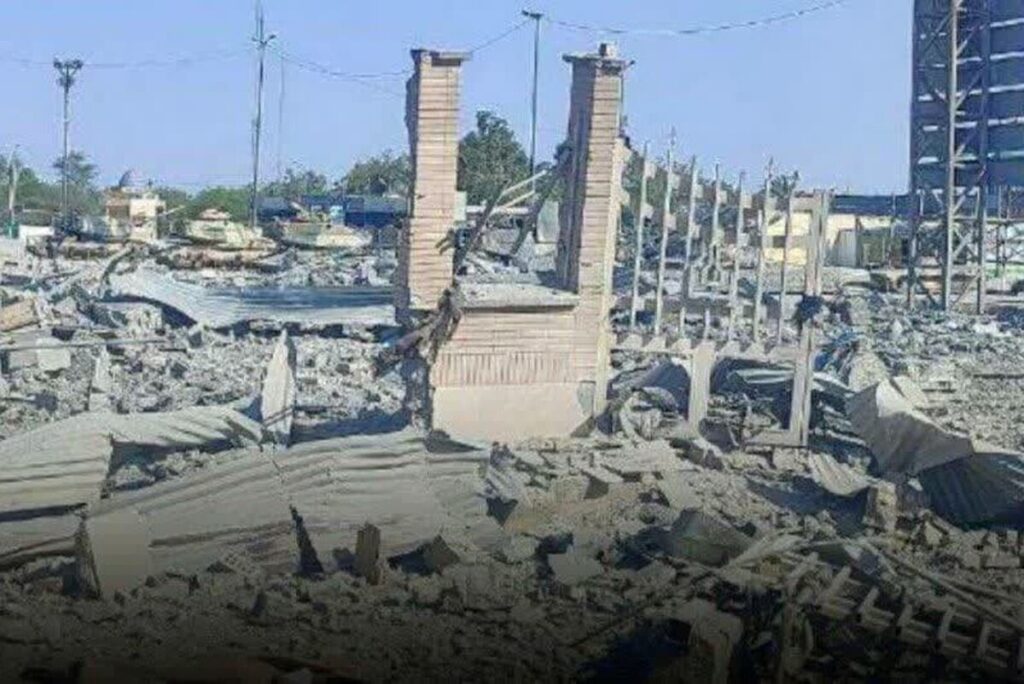
America’s intervention in the Israel-Iran war did not remain limited to Trump’s threats. Speculation about the U.S. entering the war directly became reality at dawn on Sunday, June 21, 2025, when the U.S. military, in violation of international law such as Article 56 of the Additional Protocols to the Geneva Conventions (+), struck Iran’s nuclear facilities at Natanz, Isfahan, and Fordow with specialized bunker-buster bombs.
The nuclear facilities at Isfahan and Natanz, along with the Arak heavy water plant, had already been bombed by Israel in previous days, but the strike on the deep-underground Fordow site was only possible with U.S. bunker-busters. Regardless of the actual impact of the U.S. attack on Iran’s nuclear program—about which no official, reliable reports have yet been released—the triumphant narrative presented by the American president regarding the U.S. Air Force and Navy operation against Iran’s nuclear facilities can be linked to his intervention two days later to establish a ceasefire between Iran and Israel: the U.S. had hit Iran’s most critical nuclear sites and could now present this as the primary objective of the war, proposing a ceasefire to both parties and thereby securing a gain from the conflict. Yet the promise of a ceasefire in no way coincided with any reduction in Israel’s firepower, and the bloodiest moments of the war unfolded in its final hours.
The Bloody Hours Before the Ceasefire (June 22–23, 2025)
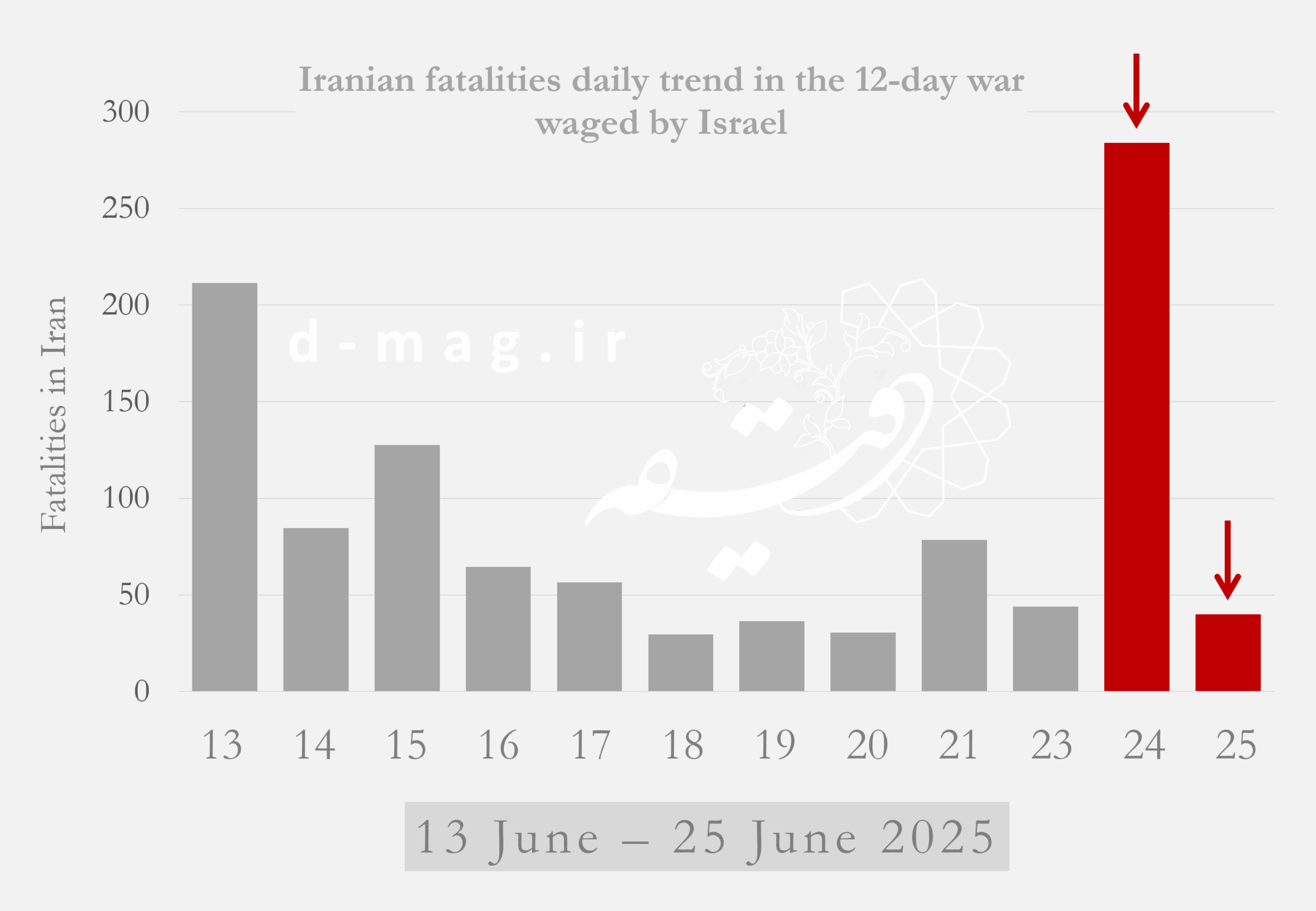
Monday, June 22, and the early hours of Tuesday, June 23, marked not only the final stage of Israel’s war against Iran but also its bloodiest hours. ehran experienced the most lethal day of the entire 12-day conflict.
After ten days of war and a temporary reduction in bombardments, some residents had returned to their homes, shops had reopened, and the city appeared livelier than in the preceding week. But suddenly, massive explosions shook the city, smoke filled the skies, and Tehran came under an unprecedented assault.
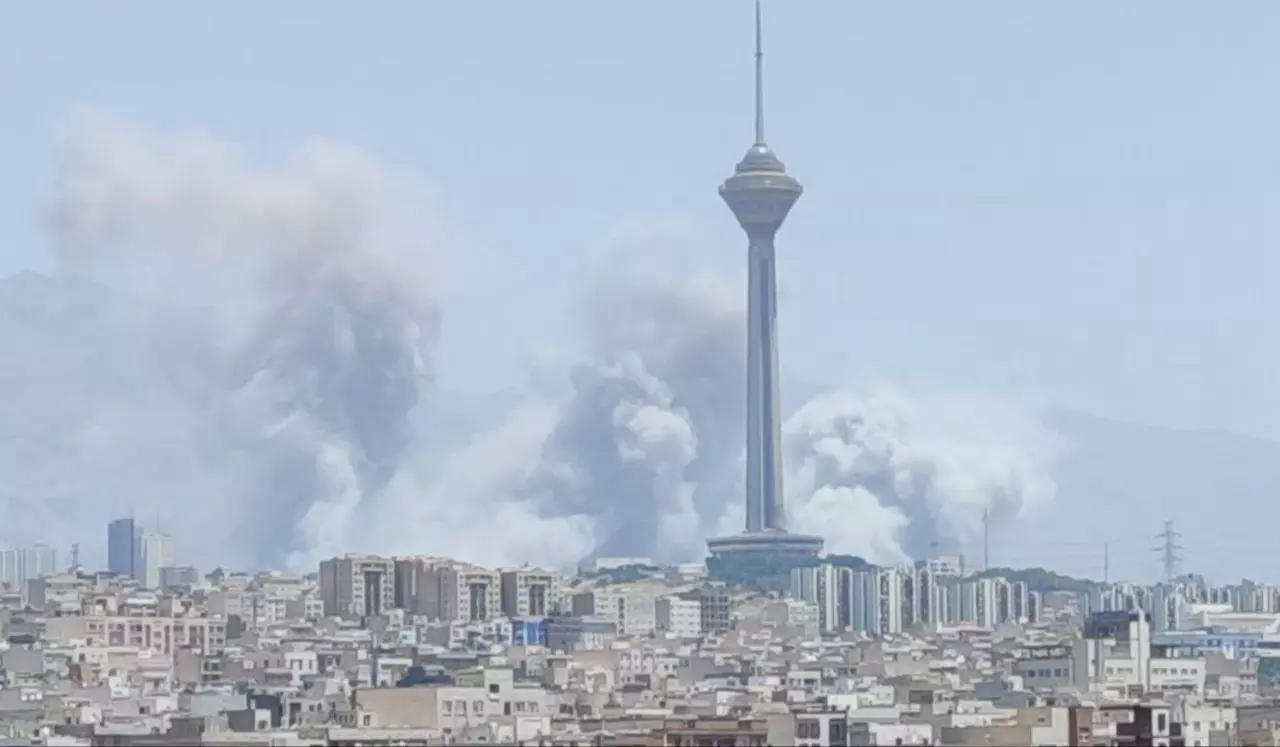
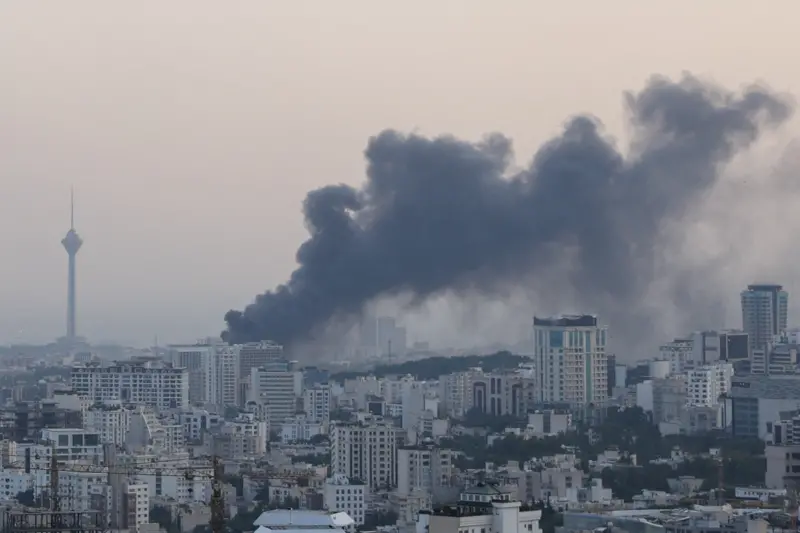
On June 22, at least 282 people across Iran—more than a quarter of all the fallen in the 12-day war—lost their lives in Israeli strikes, with 229 of them in Tehran alone. Multiple attacks on security and police centers in the capital meant that 46% of Tehran’s casualties that day (105 people) were security personnel, more than half of whom (58) were conscripted soldiers serving as police officers.
On this day, Israel committed an act intolerable even in wartime; an attack later condemned as a war crime by Human Rights Watch[7] and Amnesty International[8]: the bombardment of Evin Prison. The strike massacred 84 people, including 60 civilians and 24 security personnel stationed at the facility, targeting defenseless prisoners, guards, and visitors alike.
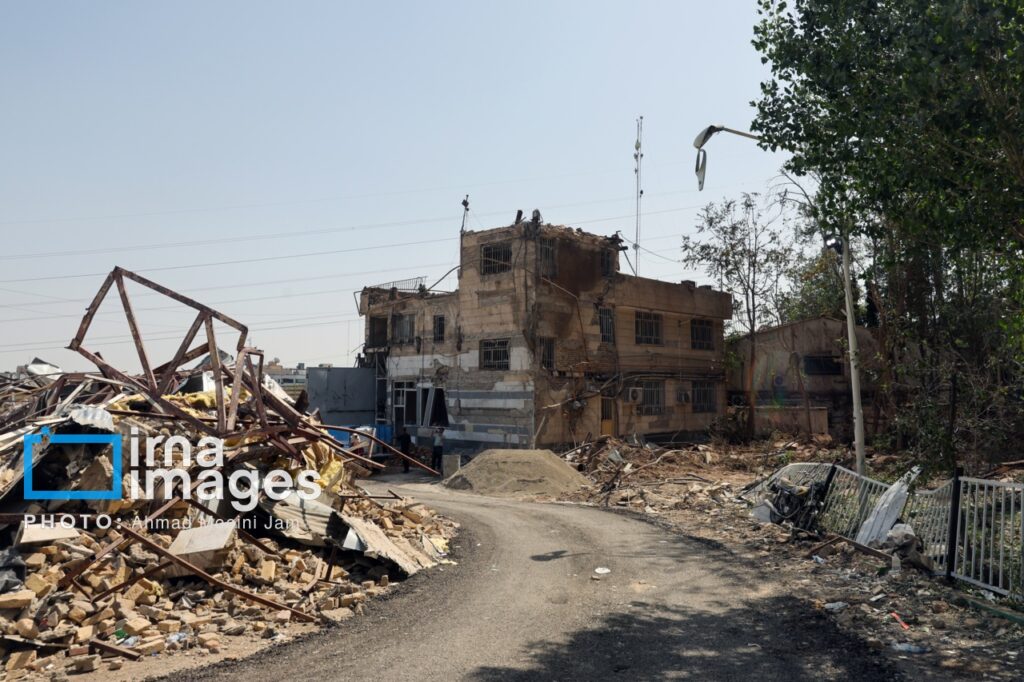
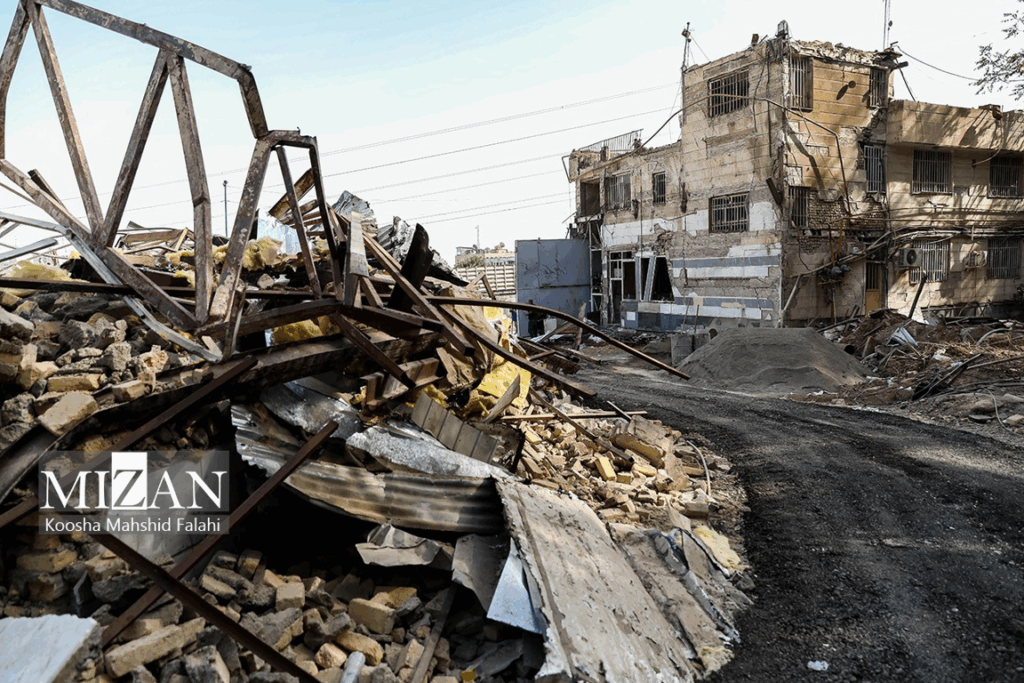
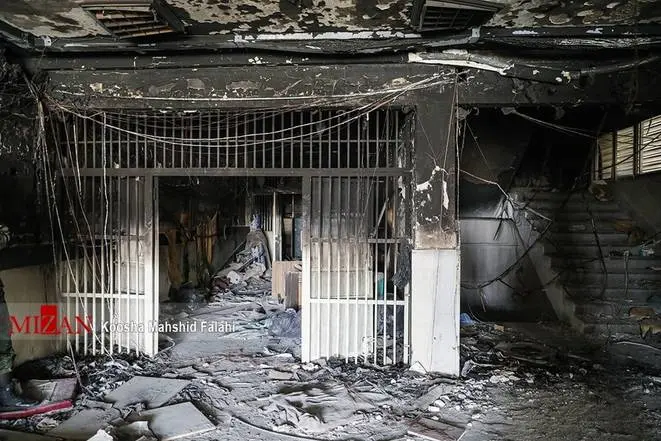
Israel’s motive for the brutal attack on Evin Prison remains one of the most mysterious and unresolved aspects of the 12-Day War. Some analysts suggest it was intended as an experiment to sow chaos, while others attribute different objectives, such as targeting Iran’s intelligence and operations teams or eliminating agents affiliated with Israel.
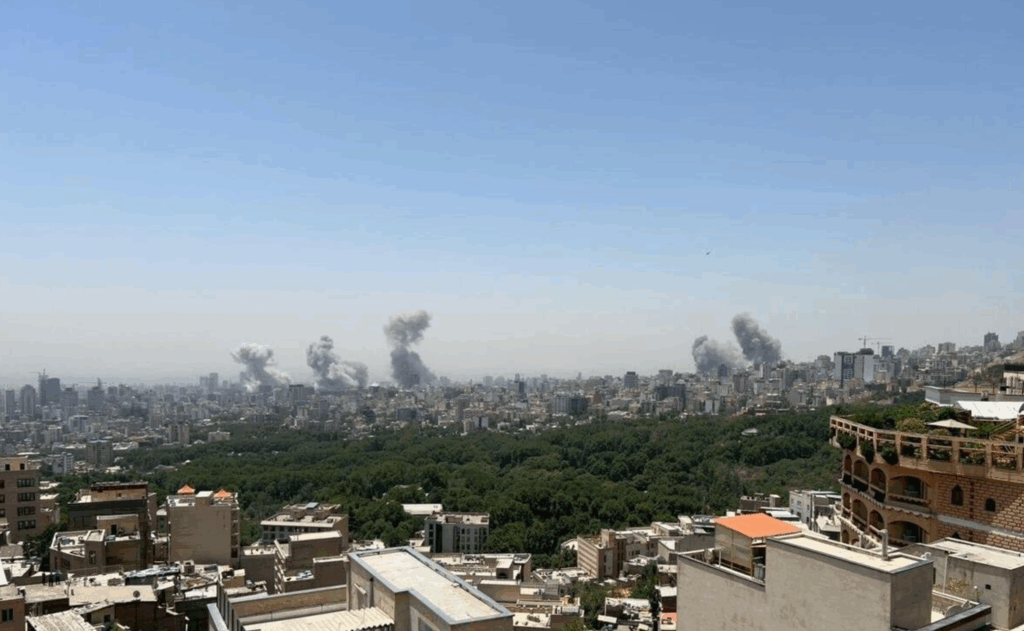
That same day, additional targets included the Seyyed al-Shohada Corps in Shahr-e Rey (a city close to Tehran), the police intelligence unit, several police facilities along the Kurdistan Expressway (one of the main highways in Tehran), and multiple Basij buildings in Tehran.
As night fell, Tehran endured its heaviest bombardments yet. Many had assumed that the intensity of fighting would decline as the ceasefire approached. Instead, hours of relentless Israeli strikes turned the night into the bloodiest of the war.
The pre-ceasefire attacks were not confined to Tehran. For example, Israel’s assault on the Imam Hassan Mojtaba Corps in Karaj claimed the lives of 43 compatriots.
Across Iran on June 22, 38% of the deceased were security personnel and 26% were ordinary civilians. On June 22 and 23 combined, the share of civilian fatalities rose to 64% and 71%, respectively, reflecting Israel’s indiscriminate strikes on police facilities and residential areas.
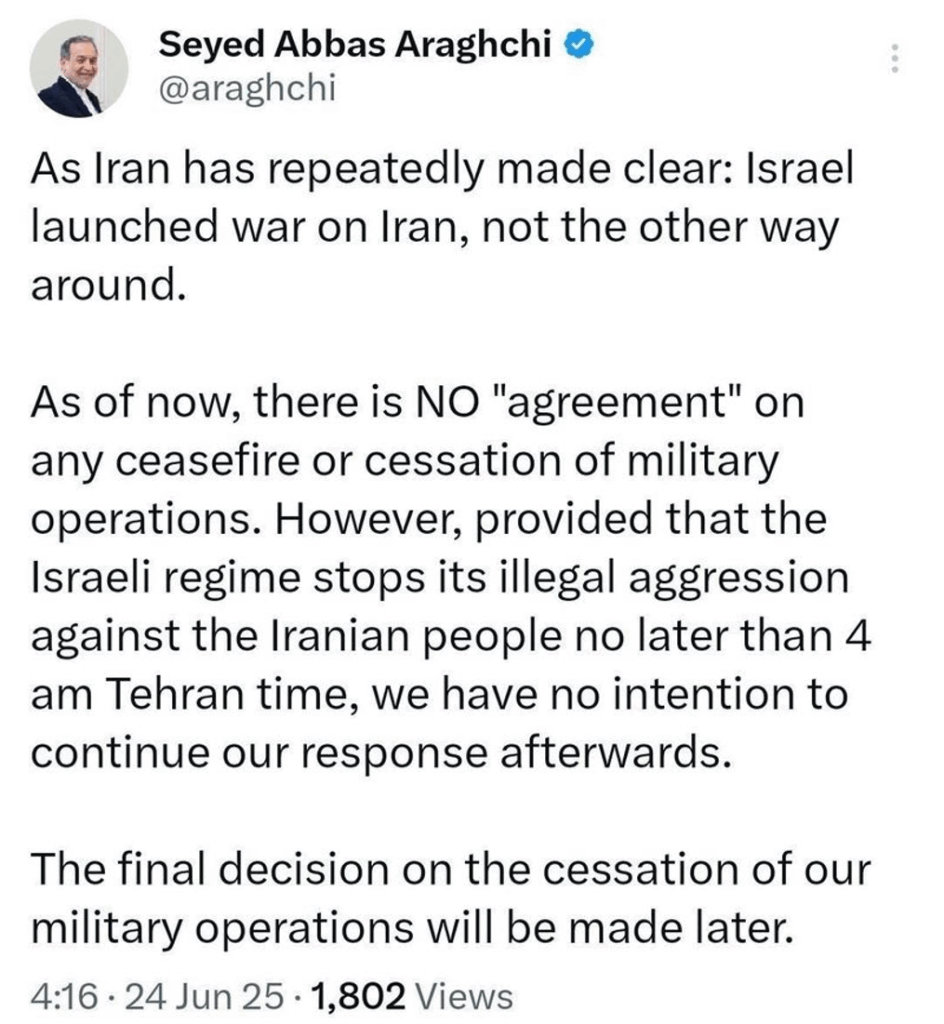
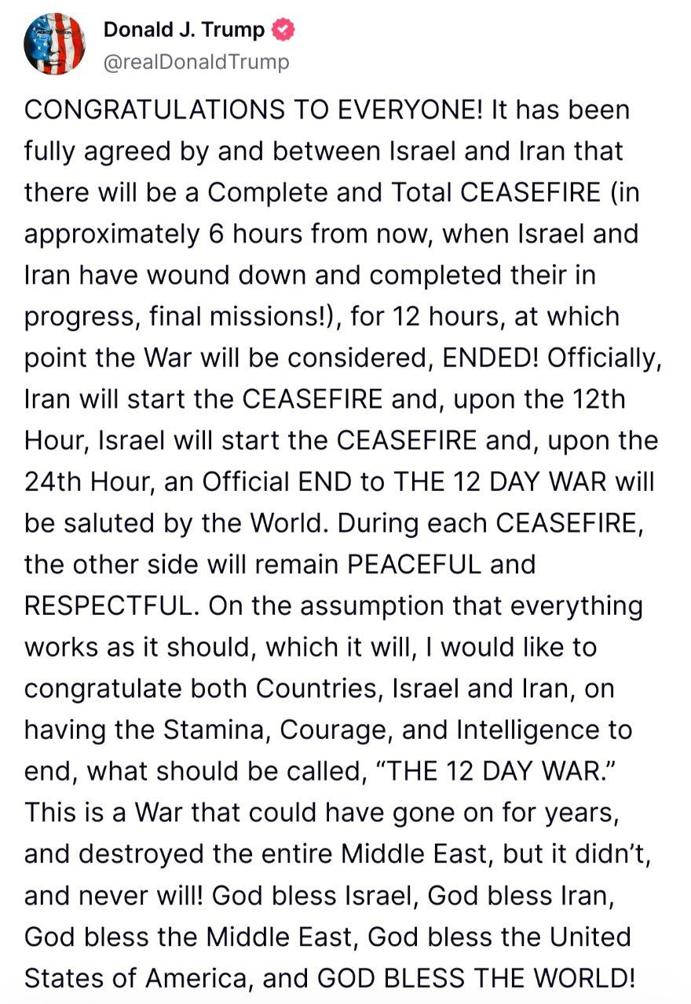
At dawn on Tuesday, while both capitals (Theran and Tel-Aviv) remained under heavy fire, U.S. President Donald Trump announced a ceasefire between Israel and Iran. Soon after, Iranian Foreign Minister Abbas Araghchi implicitly confirmed the ceasefire in a tweet, though attacks by both Israel and Iran continued until around morning.
Separation of Law Enforcement Casualties from Military Casualties
From the first day of the war until its final stages, Israel consistently targeted the headquarters and facilities of Iran’s law enforcement and security forces, particularly in Tehran. Among the targets were the Greater Tehran Police Command (FATA), several buildings of the Ministry of Intelligence and the IRGC Intelligence Organization in Tehran, Evin Prison, the Protection and Intelligence Organization of the Police Force (FARAJA), and multiple FARAJA-related facilities. Given their role and function, these forces cannot be considered part of Iran’s military units directly engaged in combat against Israel. For this reason, this report separates them from Iran’s other military forces (Army, IRGC, and Basij), classifying them as law enforcement forces and grouping their casualties under the category of civilian martyrs.
According to the rules of the International Red Cross, police and law enforcement personnel are generally regarded as civilians in the context of wars and armed conflicts (p.64).
Data Analysis of the 12-Day War Between Israel and Iran
A review of the statistics of the death toll across Iran’s provinces shows that the highest numbers were recorded in the densely populated central and western regions. More than half of Tehran’s fatalities were victims of Israeli attacks. The pattern of strikes across western and central Iran indicates a concerted effort to suppress air defense and missile systems in these regions, paving the way for assaults on the capital and aiming to bring the country to its knees.
Other affected provinces included East Azerbaijan, Isfahan, Alborz, Kermanshah, Lorestan, Khuzestan, Markazi, Qom, Hamedan, Gilan, West Azerbaijan, Yazd, Zanjan, Hormozgan, Fars, Ardabil, and Kurdistan. Bushehr, Ilam, Qazvin, Semnan, Mazandaran, Golestan, and Razavi Khorasan also experienced attacks during the 12-day war, though no casualties were reported in these provinces.
No Israeli attacks were reported in Sistan and Baluchestan, Kerman, South Khorasan, North Khorasan, Chaharmahal and Bakhtiari, or Kohgiluyeh and Boyer-Ahmad.
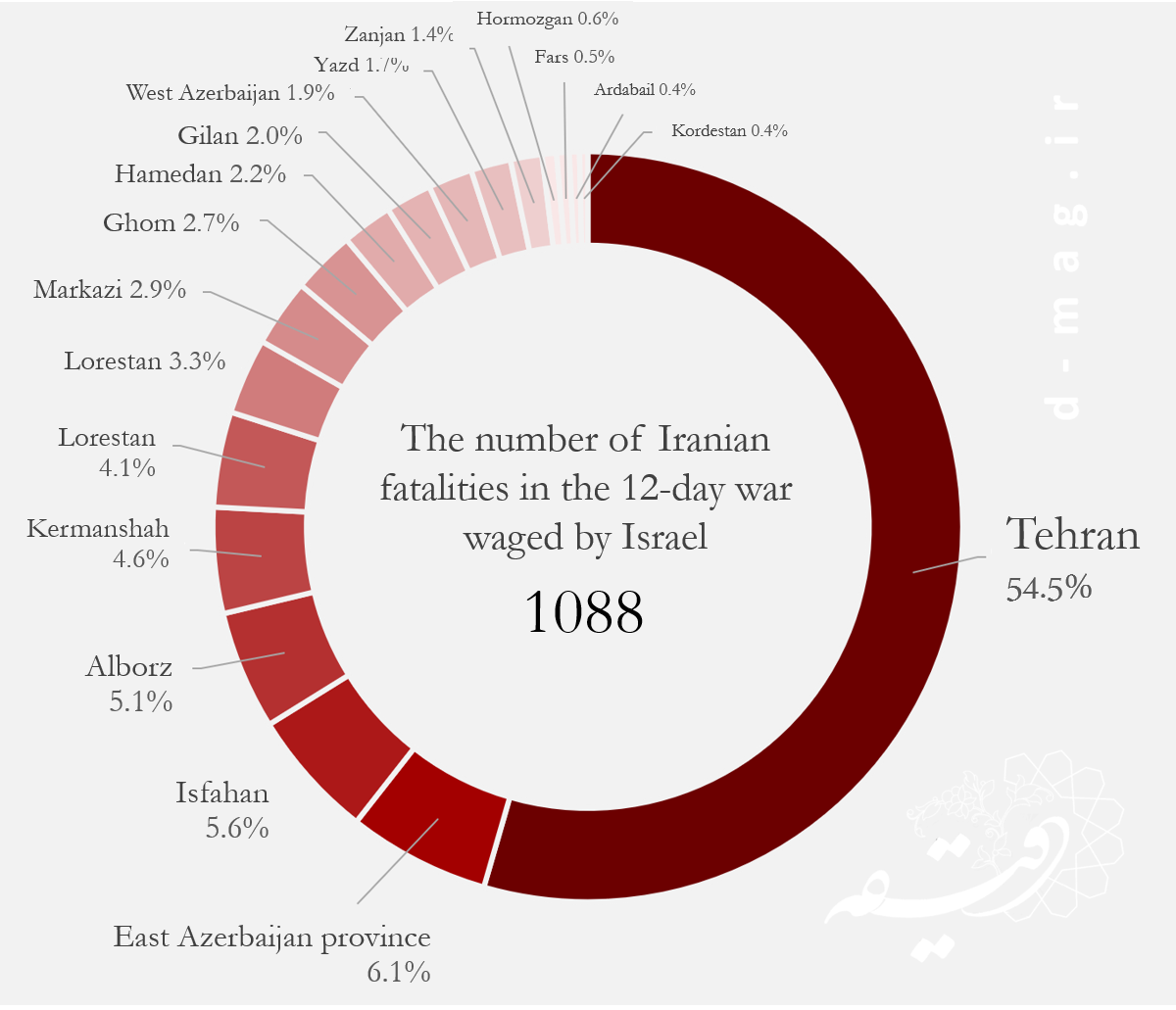
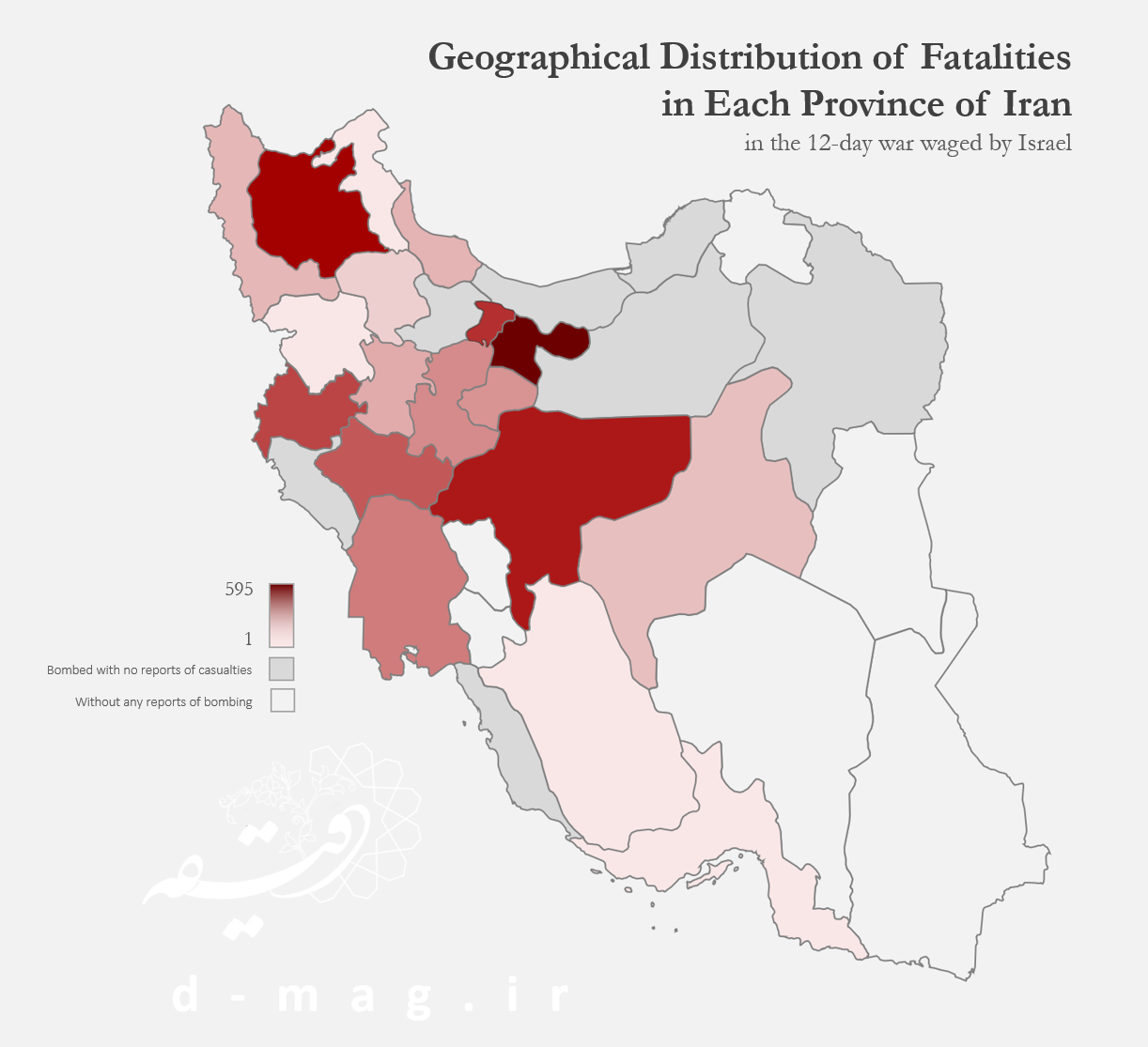
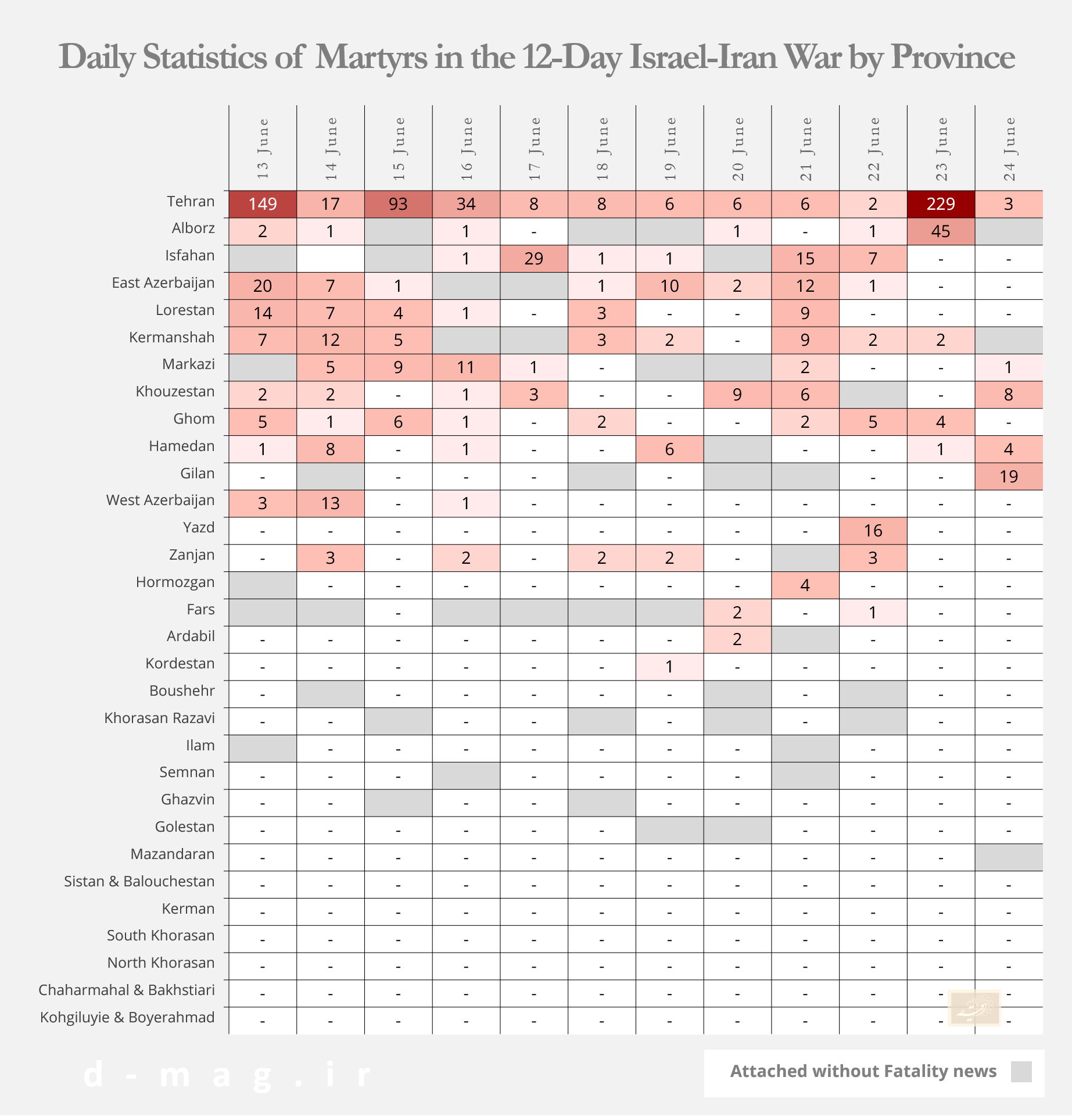
Tehran suffered casualties every single day of the war, remaining under continuous Israeli attack—a distinction no other province shared. After Tehran, East Azerbaijan, Kermanshah, and Qom experienced the deadliest days, with eight days of bloodshed each during the 12-day conflict.
For Tehran, the bloodiest periods were the first day of the war and the final 24 hours before the ceasefire (June 12 and June 23). Other significant spikes in casualties occurred on June 13–14 in Tehran, June 16 in Isfahan, June 12 in East Azerbaijan, July 2 in Alborz, and July 3 in Gilan.
Gilan province, particularly the city of Astaneh Ashrafieh, recorded the highest share of civilian casualties, where all victims were ordinary civilians. In Hamedan and Tehran, civilians accounted for 57% and 43% of the fallen, respectively—remarkably high compared with other provinces and even other wars. In Isfahan and Lorestan, civilians made up 19% and 17% of the killed, respectively.
The proportion of law enforcement fatalities was also notable in certain provinces. In Tehran and Hamedan, they accounted for 24% and 19% of casualties, respectively, significantly higher than in other regions.
Statistics of Provincial Martyrs
drop down table
Proportion of Civilians and Law Enforcement Among the Fallen
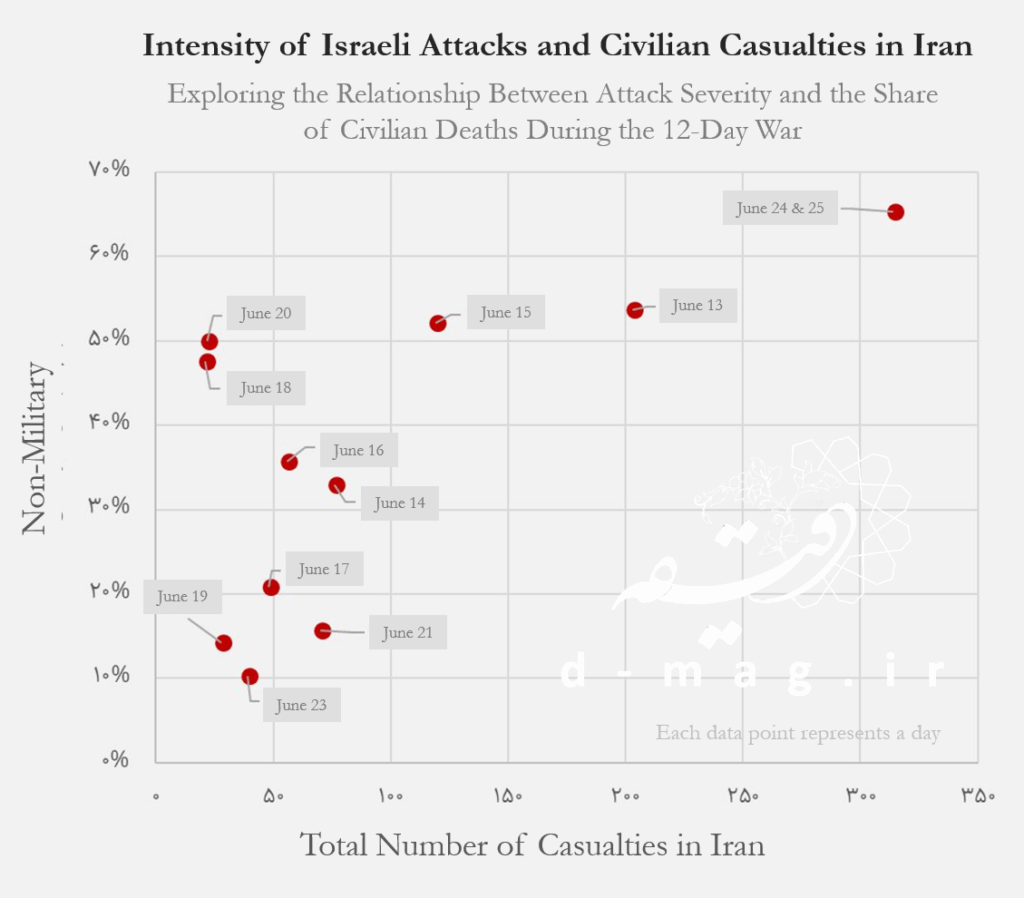
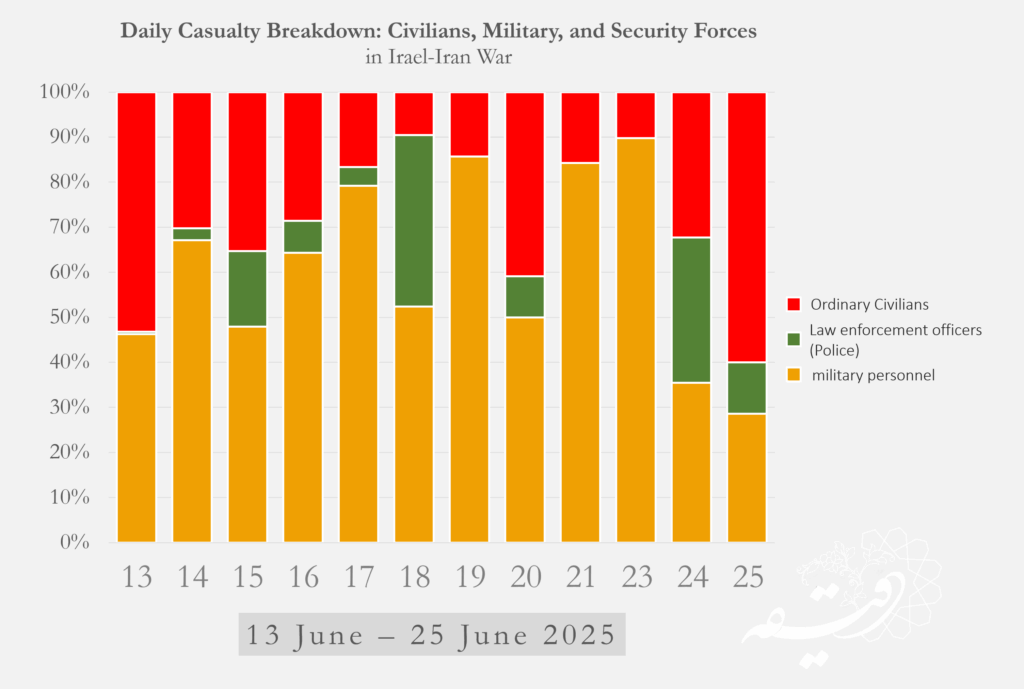
Examining the correlation between daily death toll and the share of civilians —considering that the ceasefire was established on the morning of July 3, with its figures aggregated with the previous day in the above chart—reveals a clear pattern. On days when Israel’s attacks intensified and the total number of victims increased, the share of civilians (including ordinary citizens and law enforcement) also rose. In other words, Israel’s suppression of air defenses and escalation of strikes did not result in more precise targeting of military forces, nor did it produce a neutral outcome; rather, it led to significantly higher civilian deaths. This pattern mirrors Israel’s conduct in a much larger scale Palestine and Gaza, demonstrating a lack of restraint when it comes to targeting civilians.
Among the civilian organizations whose employees and members were killed in Israeli attacks were: municipalities; the Ministry of Labor; the National Iranian Oil Products Distribution Company; the Telecommunications Infrastructure Company; hospitals; the Welfare Organization; the Red Crescent; universities; the Vice-Presidency for Science and Technology; the Ministry of Education; the Sacred Defense News Agency; banks; the Institute for Humanities and Cultural Studies; Omid Investment Company; fire departments; Farda Motors (a car-leasing company); the Social Security Organization; Mahan Airlines; the Islamic Republic of Iran Broadcasting (IRIB); Tavanir (the national electricity company); the Judiciary; the Prisons Organization; the Police Force; and several others.
Comparison of the 12-Day Israel-Iran War with the 8-Year Iran-Iraq War
About 40% of Iran’s current population is over 40 years old and remembers the war with Iraq (1980-1988)—especially its final years, when Iraq’s missile range expanded and central Iranian cities came under bombardment. The roar of Iraqi fighter jets, the wail of air raid sirens, and the rush to shelters as residential homes were destroyed remain vivid in many memories.
Excluding the initial bombing of Tehran’s Mehrabad Airport by Iraqi fighter jets, Tehran did not come under direct artillery fire until six years into the war—a turning point that many believe contributed to the conflict’s end. Iranian airstrikes on Baghdad were limited, and the bulk of the fighting occurred in border regions, primarily through ground operations. Consequently, most Iranian casualties during the Iran–Iraq War were military personnel, including members of the Army, IRGC, and volunteer Basij.
The 12-day Israel–Iran war in 2025, however, produced a very different kind of experience.
The Distinct Position of the Capital
In the 12-day war, Israel began its offensive by targeting Iran’s capital, and Tehran remained the primary focus until the ceasefire. At the same time, Iran demonstrated its capability to strike the enemy’s capital, concentrating most of its missile attacks on Tel Aviv and depriving its residents of peace and security throughout the conflict. Rarely in history have the capitals of both sides been subjected to such continuous bombardment from the opening to the closing days of a war. Advances in military technology have transformed modern warfare, making it fundamentally different from the past. While classical wars were largely fought for territorial conquest, contemporary conflicts often pursue additional strategic and symbolic objectives.
The intensity of Israel’s attacks on Tehran was such that more than half of Iran’s casualties during the 12-day war were killed in the capital. Of Tehran’s death toll, 67% were civilians (43%) and law enforcement personnel (24%), while 33% were military.
The capital of any country serves as the nerve center of politics, where major decisions are made and national governance is conducted. For this reason, weakening or destabilizing it in wartime carries exceptional symbolic significance and must be prevented at all costs.
Some observers argue that the heavy bombardment of both capitals contributed to the war’s short duration and the rapid establishment of a ceasefire. Israel’s pattern of targeting regional capitals is also evident in its recent strikes on Damascus, the capital of Syria, and Doha, the capital of Qatar.
Comparing the Death Tolls
The comparison of death toll statistics between the 8-year Iran–Iraq War and the 12-day Israel–Iran War can be examined in terms of the proportion of ordinary citizens, law enforcement personnel, non-commissioned officers, and conscripts, as well as overall casualty numbers and their temporal patterns.
Ordinary Citizens
During the 8-year Iran–Iraq War, approximately 10% of the fallen were ordinary civilians. In the 12-day Israel–Iran War, despite the deployment of advanced military technology, this proportion nearly tripled to 31%. Israel, in pursuing the assassination of military commanders and nuclear experts, did not hesitate to strike residential areas, killing civilians along with their families and neighbors. The predawn assassinations on the first night in Tehran, the attack on Evin Prison, and the strike on the residential building of the Sadeghi Saber family in Astaneh Ashrafieh on the final night of the war are among the stark examples of civilian massacres during the conflict.
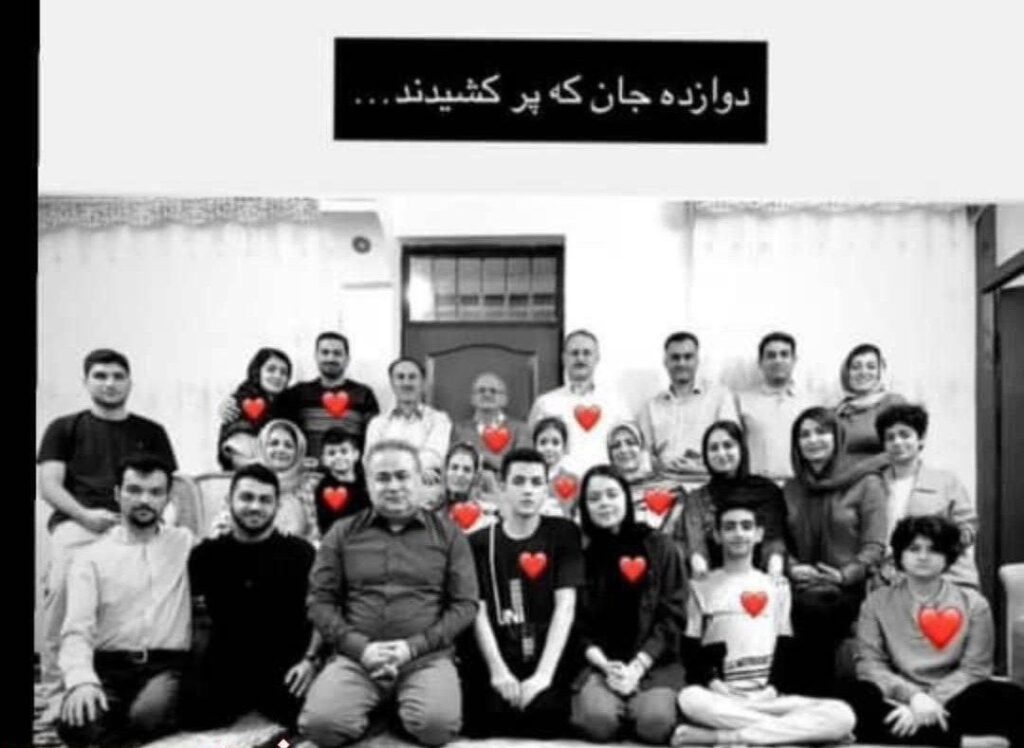
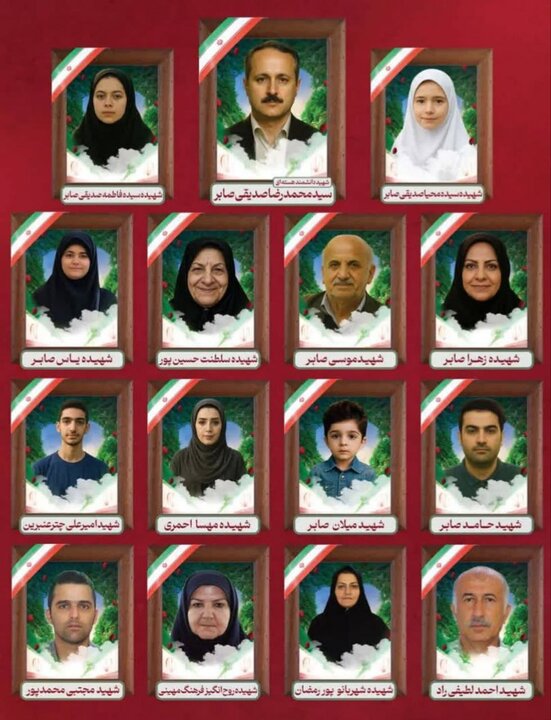
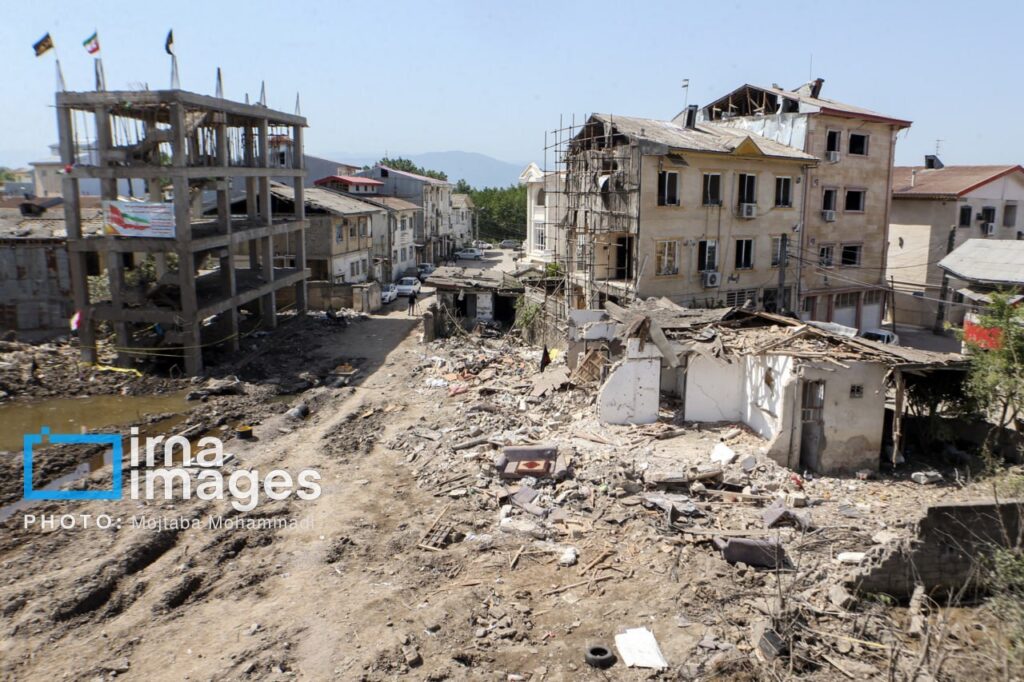
Of the ordinary citizens killed in the 12-day war, 121 (37%) were women, the majority of whom (105, or 80%) died in Tehran. Gilan also stood out, with 8 female dead resulting from the final-night attack on the Sadeghi Saber residence. Additionally, 47 of the fallen were under the age of 18, most of them (33) killed in Tehran by Israeli strikes.
Law Enforcement
During the Iran-Iraq War, only 5% of Iran’s armed forces deaths were law enforcement officers and conscripts. In the 12-day Israel–Iran War, this figure nearly tripled to around 15%. On many days—particularly the third, sixth, and eleventh—Israel launched targeted strikes against Iran’s law enforcement and intelligence centers, killing numerous personnel. These forces, whose primary responsibilities lie in domestic security, were targeted in ways that aimed at disrupting Iran’s internal security system which in turn may have facilitated Israeli operations inside the country.
Non-Commissioned Officers and Conscripts
Many of Iran’s casualties in the war with Iraq lost their lives in Iran’s offensive ground operations, often involving large numbers of popular volunteers (Basij), who accounted for a significant share of overall casualties.
The 12-day war, however, was fundamentally different: battles were fought primarily through fighter jets, missiles, and air defense systems, with modern technologies playing a far greater role than in previous conflicts. This shift is reflected in the relatively high number of non-commissioned officers among the deceased (see appendix).
Overall Comparison of the Death Toll
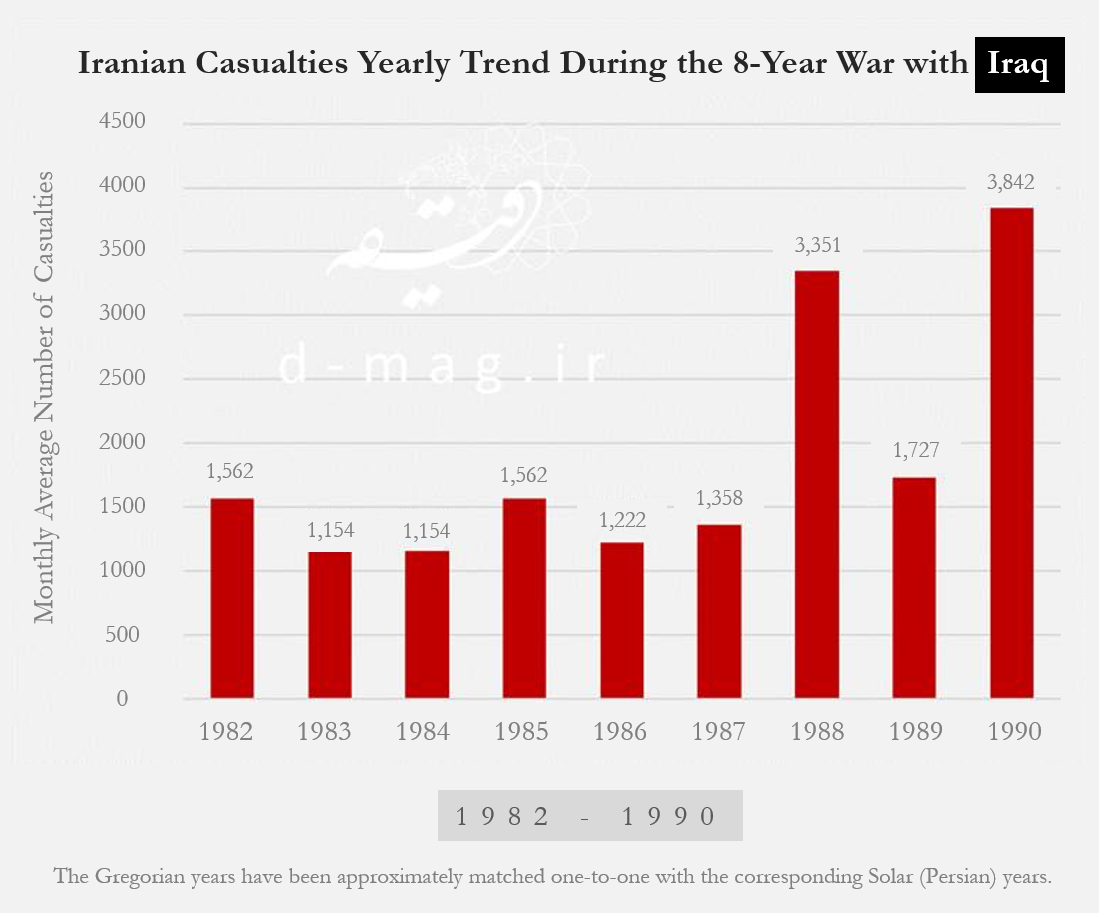
The Iran–Iraq War, which lasted approximately 2,900 days, resulted in over 188,000 deaths—an average of 65 per day. In contrast, the 12-day Israel–Iran War saw an average of 88 casualties per day, 35% higher. In other words, contrary to claims that technological advances in weaponry reduce human casualties, the opposite appears to be true. Even when compared with the first 12 days of Iraq’s all-out attacks on Iran during the Iran–Iraq War, the difference is not substantial: 1,280 Iranians were killed in those initial 12 days, only 17% more than the 1,092 killed of the 12-day Israel–Iran War.
Casualty Surge Prior to the End
Comparing the temporal trends of death tolls in the Iran–Iraq War and the 12-day Israel–Iran War reveals a similar pattern: in both conflicts, casualties peaked shortly before the war ended. In other words, neither war concluded during periods of low tension. The difference lies in the aftermath of the peak: the Iran–Iraq War continued even after casualty numbers had peaked, ultimately ending with another surge in 1988. In contrast, the 12-day Israel–Iran War reached a ceasefire immediately following a single peak in casualties, on Sunday, July 2, 2025.
Conclusion: A Large-Scale Terrorist Operation Targeting the Capital
Israel initiated its invasion of Iran and effectively declared war by assassinating senior Iranian military commanders and nuclear experts in their homes, in the presence of their families and neighbors. The scope of its aggression quickly expanded to include radar sites, air defense systems, and missile bases. By striking key energy infrastructures and law enforcement and security centers, Israel signaled its intent to sow instability and internal unrest. Its direct attack on the country’s highest-level governance meeting further revealed its deeper objective of regime destabilization and collapse.
For the first time in 37 years, Iranians experienced war within their own borders—a conflict that, from the very first hours, brought fear, panic, and uncertainty alongside bloodshed and destruction, particularly in Tehran. Unlike the Iran–Iraq War, which primarily focused on territorial occupation and border cities, this conflict resembled a large-scale terrorist operation, leveraging advanced intelligence and destructive technologies to target the nation’s political and administrative heart. Despite its relatively short duration, the war’s death toll rivaled that of a classical war, with a notably high proportion of civilian casualties.
Iran’s resilience, bolstered by its people and retaliatory strikes on Israel’s capital maintained until the ceasefire, prevented a complete collapse despite enduring considerable losses. Yet, a review of events and casualty statistics underscores Israel’s complex, multilayered strategies and motives in targeting Iran. This reality makes it imperative for Iran to urgently strengthen its defense capabilities, taking into account the evolving nature of modern warfare—particularly the critical roles of intelligence, security, air defense, and advanced technology—and to “revive popular deterrence” in order to safeguard and reinforce the nation’s political core.
References and Footnotes
[1] Latest statistics on the casualties of the 12-day imposed war, as reported by the Head of the Martyrs Foundation, ISNA, July 13, 2025.
[2] Statistics on the death toll of the 12-day war / 700 civilian casualties and 18 healthcare personnel deaths, Mizan News Agency, July 8, 2025.
[3] Latest statistics on the death toll of the 12-day imposed war, as reported by the Head of the Martyrs Foundation, ISNA, July 13, 2025.
[4] At present, these data have shortcomings that may gradually be resolved over time with the release of reports and official statistics by the responsible institutions. Furthermore, the absence of essential information (such as first and last names) in a few cases may have caused one individual’s information to appear under two different entries, slightly inflating the total figure. The inconsistency between the sum of certain detailed statistics provided in this report and the overall number of the fallen also stems from these occasional data gaps regarding some deaths.
[5] ICRC
[6] United Nations Charter (+)
[7] Human Rights Watch: Israel’s attack on Evin Prison is an “obvious war crime,” BBC Persian, August 14, 2025.
[8] Amnesty International: Israel’s attack on Evin Prison constitutes a “war crime,” BBC Persian, July 22, 2025.
[9] Revisiting the developments of the Iran-Iraq War with a focus on volunteer forces in martyrdom statistics (+)
[10] “The strategic purpose of compulsory military service is the defense of the country,” General Mousa Kamali, Deputy for Human Resources of the Armed Forces General Staff, in an interview with ISNA, June 17, 2013 (+)
[11] For further reading, see the article “The Necessity of Reviving Popular Deterrence,” Minute, July 2025 (+)
…